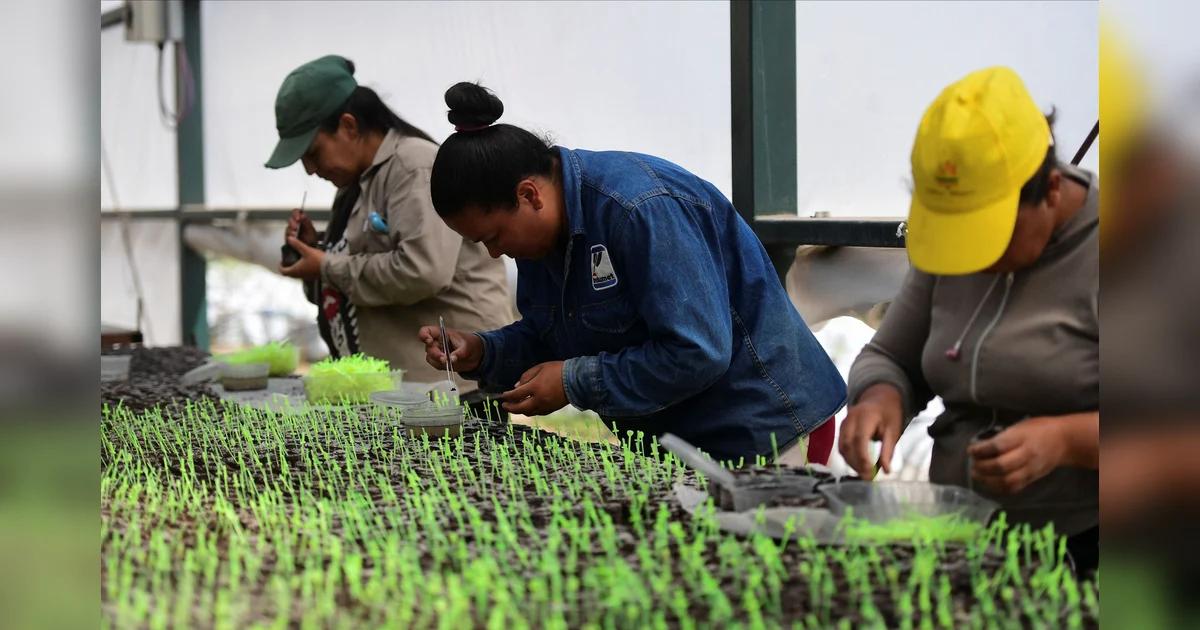
Argentina’s agricultural landscape is undergoing a remarkable transformation as pistachio cultivation experiences unprecedented growth, fueled by global demand sparked by Dubai’s viral pistachio chocolate phenomenon. The country’s pistachio acreage has expanded fivefold within just five years, reaching approximately 25,000 acres according to the National Network to Study Pistachio Trees in Argentina.
San Juan province, nestled against the Andes mountain range, has emerged as the epicenter of this agricultural revolution. Scientists have identified an astonishing 65,000 square kilometers across multiple provinces with ideal climatic conditions for pistachio production—requiring arid, hot summers and chilly winters with a seven-year maturation period.
While the United States, Iran, and Turkey remain dominant global producers, Argentina has positioned itself as South America’s sole significant grower with substantial export potential. Alberto Aguilera of SolFrut, managing nearly 3,000 acres in San Juan, emphasizes Argentina’s competitive advantages: “You have land, water, and the climate conditions.”
The Dubai chocolate trend, which went viral on TikTok in 2023, has created ripple effects throughout Argentina’s food industry. Companies now produce pistachio dulce de leche, pastries, and even the national oil company YPF markets pistachio alfajores. This domestic demand surge complements export opportunities, with current shipments primarily reaching Italy, Russia, Australia, and Latin American nations.
Pioneers like Iranian immigrant Marcelo Ighani, who faced skepticism when planting Argentina’s first pistachio crop in the 1980s, now see unprecedented demand. His company Pisté has more than doubled annual rootstock production to 400,000 plants by 2025, yet still cannot meet market requirements.
The economic implications are substantial. In San Juan province, pistachio trees represent the third-largest agricultural product by acreage after vineyards and olive groves. Miguel Moreno, the province’s agriculture secretary, predicts “a very strong impact on the economy of San Juan,” noting that sustained demand has surprised everyone and incentivized long-term investments.
However, producers remain cautiously optimistic. José Chediack of Grupo Phronesis, while acknowledging pistachio’s “very good moment,” emphasizes the need for improved macroeconomic conditions under President Javier Milei to ensure sustained growth through lower interest rates and extended loan terms.
The pistachio boom represents a strategic shift in Argentine agriculture, with many wine producers converting vineyards to nuts in response to declining global wine consumption and increasing consumer preference for healthier options—a trend that third-generation wine producer Ramiro Martins describes as moving “toward more healthy trends.”