WASHINGTON — In a significant diplomatic maneuver, the Trump administration has brokered what it terms a “historic” agreement between the Democratic Republic of Congo and Rwanda, aiming to quell decades of conflict in mineral-rich eastern Congo while securing American access to critical rare earth minerals. The signing ceremony, dubbed the Washington Accords for Peace and Prosperity, will bring Presidents Félix Tshisekedi and Paul Kagame to the U.S. Institute of Peace on Thursday for a trilateral meeting with President Trump.
The accord represents the culmination of months of U.S.-led mediation involving the African Union and Qatar, building upon a preliminary agreement signed in June. Beyond its peace objectives, the pact establishes a Regional Economic Integration Framework that will govern future economic partnerships between the three nations, particularly focusing on Congo’s vast mineral reserves essential for manufacturing fighter jets, cellphones, and other advanced technology.
This strategic move comes as the United States seeks to counter China’s dominance in rare earth minerals, which currently accounts for nearly 70% of global mining and 90% of processing. By leveraging Congo’s urgent need for security assistance, the Trump administration has positioned American companies to gain preferential access to these resources.
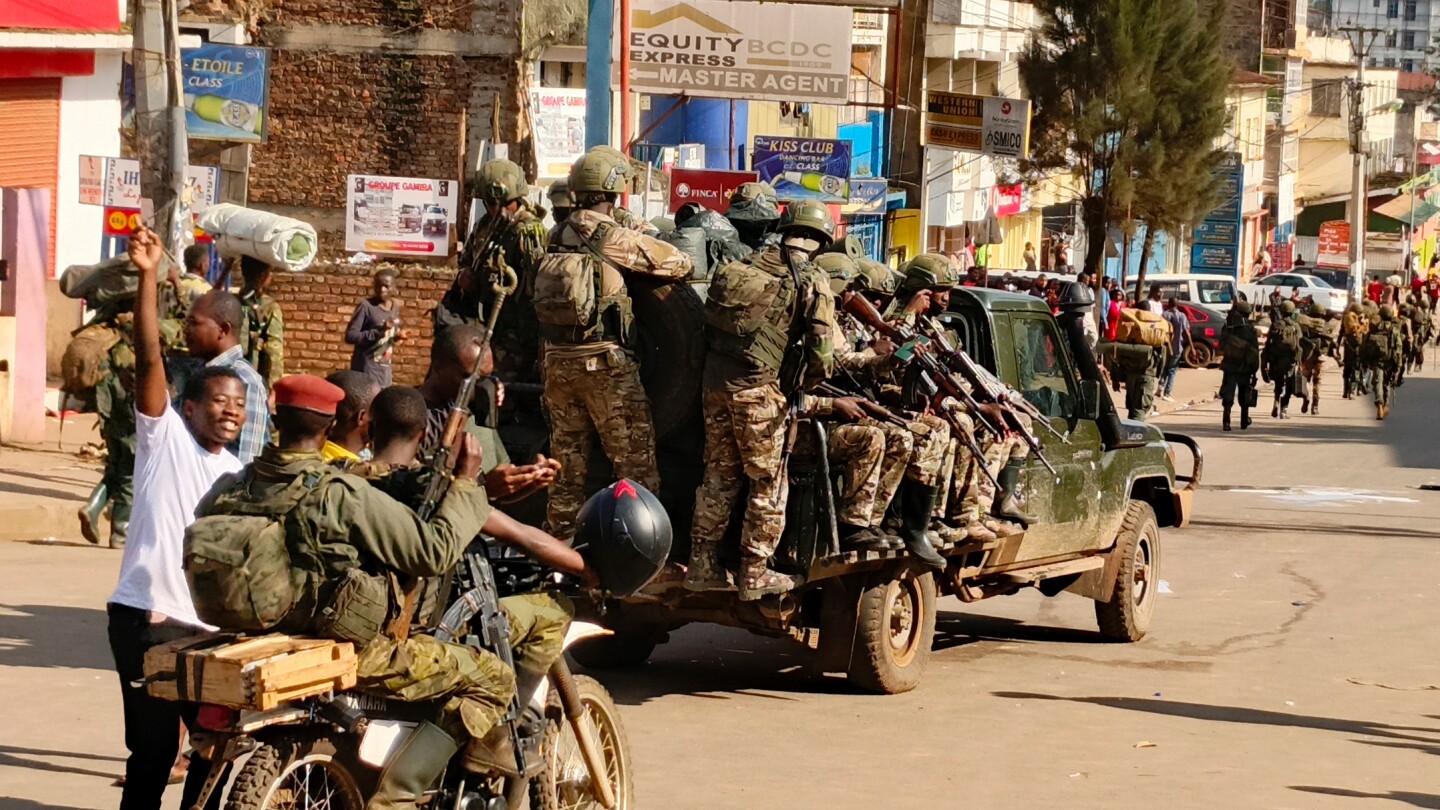
However, the reality on the ground contrasts sharply with diplomatic optimism. Eastern Congo remains embroiled in violence, with the Rwanda-backed M23 rebels maintaining control over key cities including Goma and Bukavu despite a separate peace agreement between Congo and the rebel group. Residents report ongoing clashes, closed international airports, suspended banking operations, surging crime rates, and skyrocketing prices of essential goods.
The conflict’s roots extend to the aftermath of Rwanda’s 1994 genocide, where nearly two million Hutus fled into Congo fearing reprisals. Rwandan authorities maintain that Hutu militias operating in eastern Congo pose an existential threat to Rwanda’s Tutsi population, while Congo insists permanent peace requires Rwanda to withdraw both troops and support for M23 rebels. UN experts estimate between 3,000-4,000 Rwandan forces are currently deployed in the region.
As American business leaders gather for parallel meetings hosted by the U.S. Chamber of Commerce to explore investment opportunities in minerals, energy, and tourism, Congolese civilians express skepticism. “We are still at war,” stated Amani Chibalonza Edith, a 32-year-old Goma resident. “There can be no peace as long as the front lines remain active.”