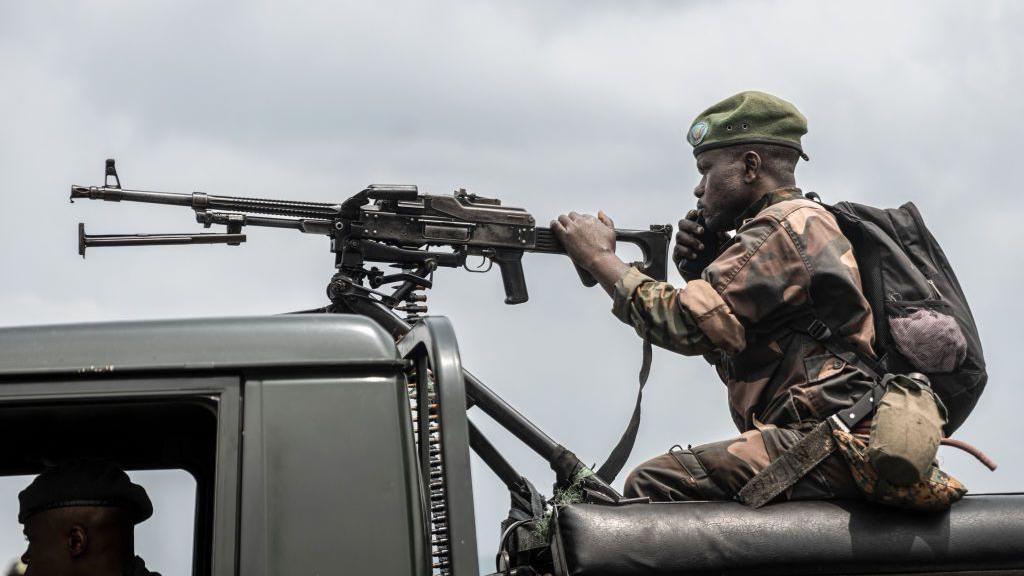
In a significant diplomatic development, the leaders of the Democratic Republic of Congo and Rwanda are preparing to formalize a peace agreement during a Washington summit convened by US President Donald Trump. This high-stakes diplomatic initiative unfolds against a backdrop of intensified combat operations in the mineral-rich eastern territories of DR Congo, where government forces continue to engage with Rwanda-backed M23 rebel factions.
Recent days have witnessed a concerning escalation of hostilities, with Congolese military authorities accusing M23 insurgents of deliberately undermining the peace process through renewed offensive operations. Conversely, rebel leadership contends that government forces initiated violations of existing ceasefire arrangements. The M23 movement, which captured substantial territories including the strategic trading hub of Goma earlier this year, remains absent from the primary negotiation table, instead participating in parallel discussions mediated by Qatari officials.
The forthcoming agreement addresses core grievances from both nations: Rwanda demands the disarmament of FDLR militia elements linked to the 1994 genocide, while DR Congo insists on the complete withdrawal of Rwandan military presence from its eastern provinces. Historical context reveals this conflict’s complexity, with multiple failed peace initiatives since the 1990s attributed to mutual non-compliance with similar provisions.
US diplomatic engagement appears driven by substantial economic interests, with President Trump explicitly acknowledging American acquisition of mineral rights as part of the June preliminary agreement. The Democratic Republic of Congo possesses an estimated $25 trillion in mineral reserves, including critical components for electronic devices, renewable energy infrastructure, and military equipment.
Despite ceremonial preparations in Washington, regional analysts maintain cautious skepticism regarding the agreement’s practical implementation. Security researchers note the absence of an active ceasefire and continued territorial expansion by rebel forces, suggesting the signing ceremony may primarily serve symbolic rather than operational purposes.
International mediation efforts feature unusual coordination between the United States and Qatar, with each nation leveraging distinct diplomatic relationships—Washington maintaining stronger ties with Kinshasa, while Doha enjoys closer relations with Kigali. The participation of additional African and Arab leaders underscores the agreement’s regional significance, though the path to sustainable peace remains fraught with historical grievances and competing economic interests.