In a controversial statement that has drawn widespread condemnation, former U.S. President Donald Trump reportedly referred to Somali immigrants residing in the United States as “garbage” while demanding their departure from the country. The inflammatory remarks, made without substantiating evidence, alleged that these communities “contribute nothing” to American society.
The verbal attack emerged alongside revelations that federal authorities were preparing targeted immigration enforcement operations in Minnesota, specifically focusing on Somalis living without legal documentation. This development appears particularly striking given demographic data showing approximately 58% of Minnesota’s Somali population are U.S.-born citizens, while 87% of foreign-born Somalis in the state have obtained naturalized citizenship.
Simultaneously, the Trump administration implemented a temporary pause on all immigration applications from Somalia, placing the East African nation among several countries facing renewed travel restrictions. When questioned about these developments at a public forum, Somalia’s Prime Minister declined to comment on the U.S. president’s statements.
This diplomatic tension unfolds against Somalia’s complex backdrop of prolonged instability. Since the collapse of Siad Barre’s regime three decades ago, the country has endured continuous conflict involving warlord clashes, civil war, and the persistent threat of al-Shabab extremists affiliated with al-Qaida. These security challenges have displaced millions internally and forced many into neighboring refugee camps, with Kenya hosting significant numbers awaiting resettlement opportunities.
The security situation remains precarious, with al-Shabab maintaining control over rural territories while periodically executing devastating attacks in Mogadishu. Notable incidents include the 2017 truck bombing that killed over 100 people and subsequent attacks targeting government institutions and hotels. The U.S. Embassy, which resumed operations in 2019 after a lengthy closure due to security concerns, operates from a heavily fortified compound near Mogadishu’s airport.
Somalia’s fragile federal government has declared “total war” against al-Shabab, though the extremist group demonstrates continued resilience through complex clan dynamics and weapons smuggling via the Gulf of Aden. This instability has previously manifested in maritime security threats, with Somali pirates recently hijacking a commercial vessel in the Indian Ocean—the first such incident in eighteen months.
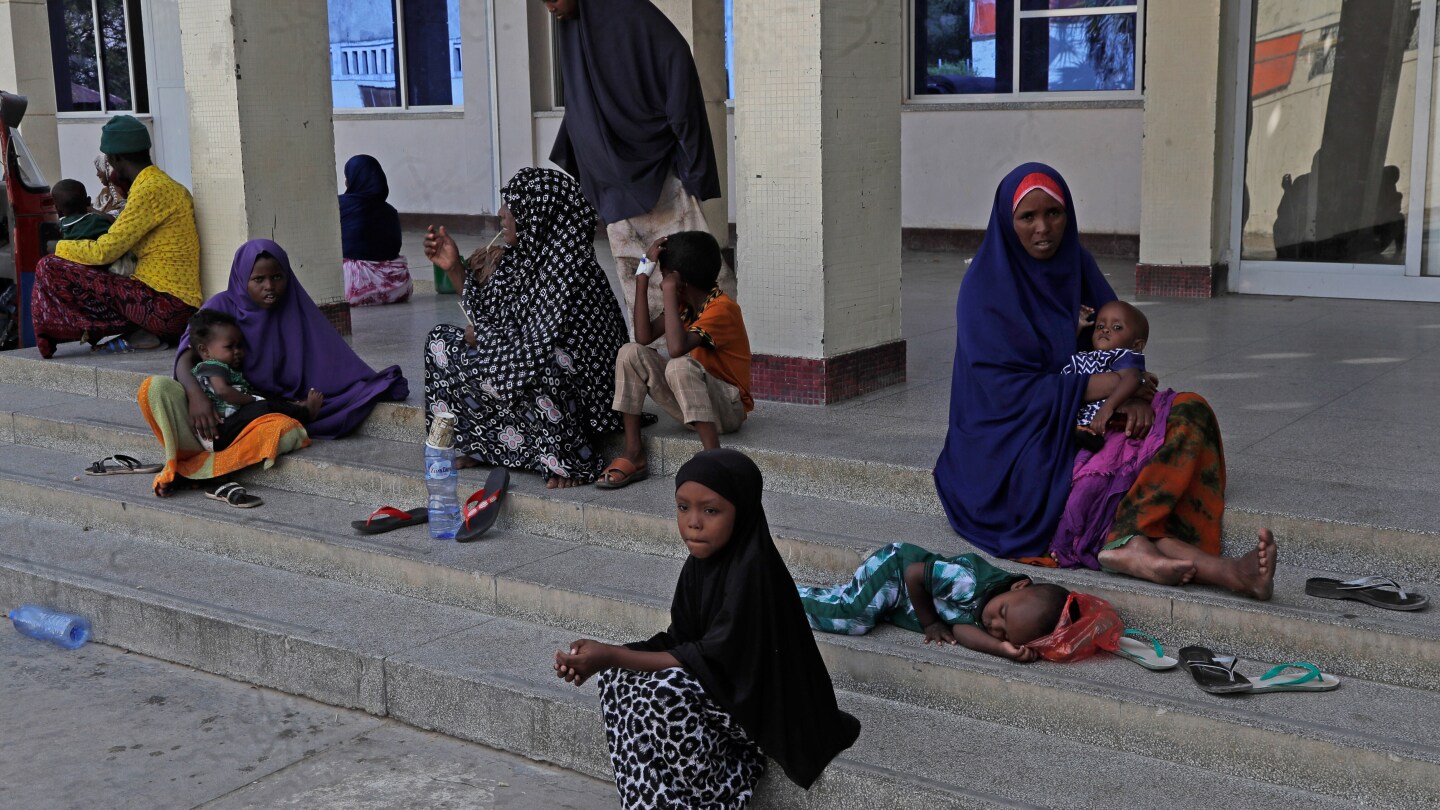
Beyond security concerns, Somalia faces profound humanitarian challenges. Despite modest revitalization efforts in Mogadishu driven by returning diaspora investments, approximately 19 million citizens confront dire circumstances. The nation maintains one of the world’s weakest healthcare systems according to WHO assessments, with many rural areas lacking basic medical facilities and al-Shabab-controlled regions receiving no assistance.
Compounding these issues, climate change exacerbates Somalia’s vulnerabilities through recurring droughts that kill thousands and devastate livestock-based economies, destructive flooding in river valleys, and increasingly frequent Indian Ocean cyclones. The International Crisis Group notes that environmental and conflict challenges are becoming “increasingly intertwined,” with al-Shabab exploiting water access as both a control mechanism and taxation tool against vulnerable communities.