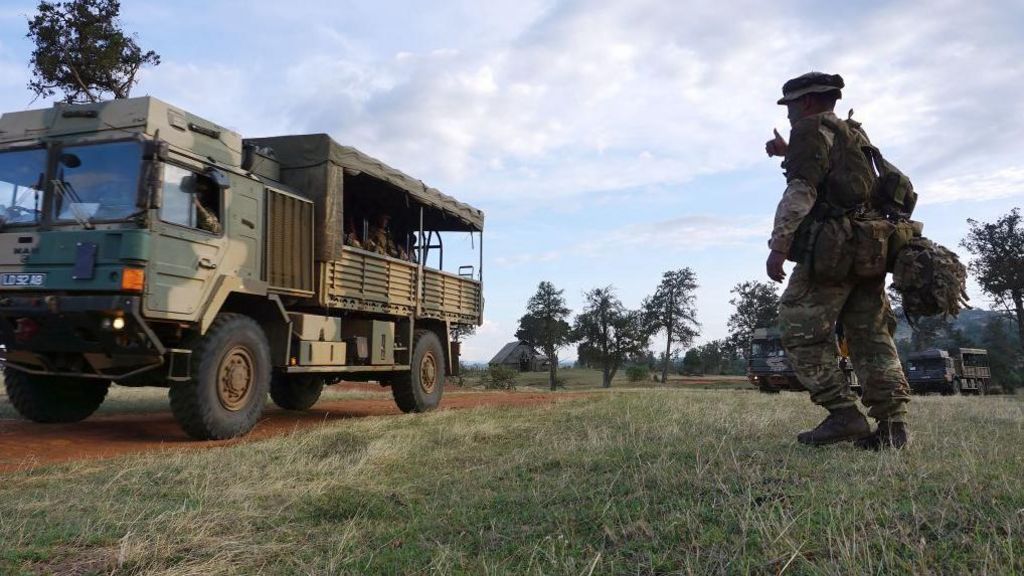
A landmark parliamentary investigation has exposed systematic human rights violations, sexual crimes, and environmental damage perpetrated by British soldiers during decades-long military training operations in Kenya. The 94-page report from Kenya’s Committee on Defence, Intelligence and Foreign Relations documents harrowing evidence collected over a two-year inquiry into the British Army Training Unit Kenya (Batuk).
The findings reveal persistent patterns of sexual violence against women from Samburu and Maasai communities, with victims describing attacks while performing daily tasks like fetching water or firewood. The report details particularly brutal incidents, including a 1997 mass gang-rape at knifepoint involving 30 women in Archer’s Post. Additionally, the investigation uncovered numerous cases of abandoned ‘fatherless’ children left by British soldiers who returned home, leaving single mothers facing social stigma and financial hardship.
Beyond sexual crimes, the committee documented fatal shootings, public brawls, and traffic incidents resulting in civilian deaths. The 2012 murder of Agnes Wanjiru—whose body was discovered in a hotel septic tank after she was last seen with British soldiers—exemplifies the delayed justice process. While a former British soldier was recently arrested in connection with her death after a UK-issued warrant, the extradition process remains contested.
The environmental impact assessment revealed significant ecological damage, with residents reporting respiratory illnesses, livestock deaths, and miscarriages allegedly linked to military exercises. The committee raised concerns about possible white phosphorus use and documented incidents involving unexploded ordnance that caused severe injuries and fatalities among local communities.
Despite these allegations, Batuk consistently refused to cooperate with the parliamentary investigation, invoking diplomatic immunity claims. The UK High Commission in Kenya expressed regret that their submissions weren’t fully reflected in the final report while affirming their willingness to investigate allegations ‘under our jurisdiction.’ However, the parliamentary committee found the existing defense cooperation agreement structurally flawed, creating significant obstacles to justice and accountability.
The report recommends comprehensive reforms including a visiting forces code of conduct, zero-tolerance policies for gender-based violence, enhanced environmental protections, and established mechanisms for child support accountability.