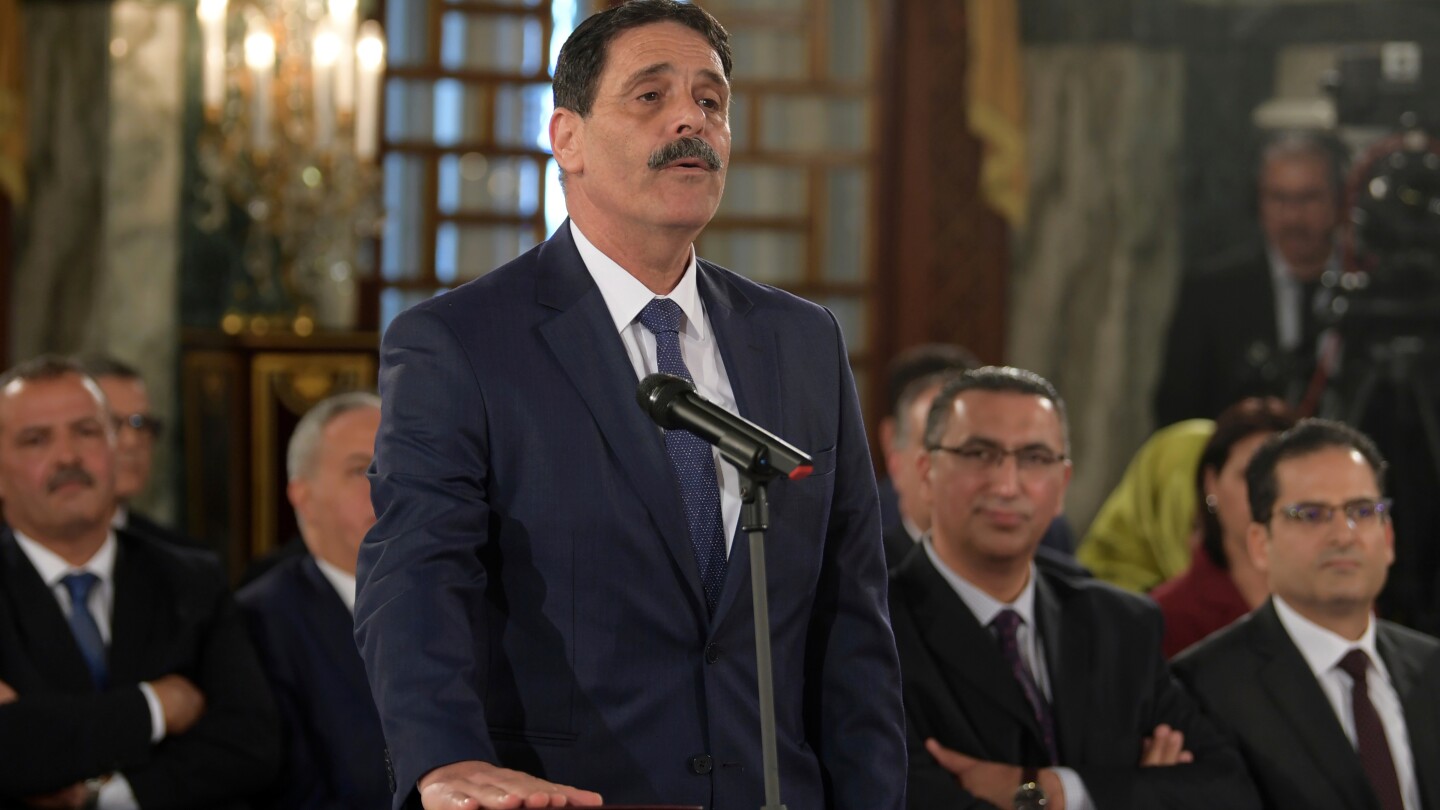
Tunisian security forces detained distinguished human rights attorney Ayachi Hammami at his residence near the capital on Tuesday, executing a five-year prison sentence mandated last week in a highly controversial state security case. The arrest marks the latest escalation in President Kais Saied’s comprehensive campaign against political opposition in the North African nation.
Hammami stands among approximately forty individuals—including prominent politicians and business leaders—who received prison terms ranging from two to forty-five years in the same alleged conspiracy case. International human rights organizations have universally condemned the judicial proceedings, with Human Rights Watch and Amnesty International characterizing them as politically motivated maneuvers designed to eliminate dissent.
In a pre-recorded statement released following his detention, Hammami declared an indefinite hunger strike until his freedom is secured. “I will transform the confinement space into which Kais Saied intends to place me into an arena of continued resistance,” the veteran rights defender asserted. “We collectively endure the oppression of this regime—our imperative remains unification against tyranny.”
Fida Hammami, the attorney’s daughter, provided firsthand testimony to The Associated Press, describing the judicial process as fundamentally compromised. “The court that issued this verdict has relinquished all pretense of independence,” she stated, noting the trial featured “baseless allegations and systematic violations of due process standards.”
Her assessment echoes broader concerns about Tunisia’s democratic backsliding since President Saied consolidated power in 2021. The Hammami case coincides with the arrest of Chaima Issa, opposition leader of the National Salvation Front, who received a twenty-year sentence and has similarly initiated a hunger strike protesting her detention by plainclothes officers in an unmarked vehicle.
The Tunisian government maintains these prosecutions constitute essential national security measures against destabilization plots. Official statements repeatedly deny political motivations, framing the cases as necessary protections against threats to state stability.
This developing situation underscores the continuing erosion of civil liberties in the nation that sparked the Arab Spring uprisings, drawing increased international scrutiny toward Saied’s administration and its treatment of government critics.