In a major strategic reversal, the US Navy has terminated its Constellation-class frigate program, opting to complete only two vessels currently under construction. This decision follows a cascade of program delays totaling 36 months, pushing the first frigate’s completion to 2029 with anticipated fleet deployment not expected until 2032-2034 after extensive testing.
The Constellation-class was intended to replace the controversial Littoral Combat Ships (LCS), which naval experts previously deemed combat-unsurvivable despite their $500 million per unit cost with mission packages. The Navy maintains 25 LCS vessels despite known deficiencies, with annual operating costs reaching $70 million per ship.
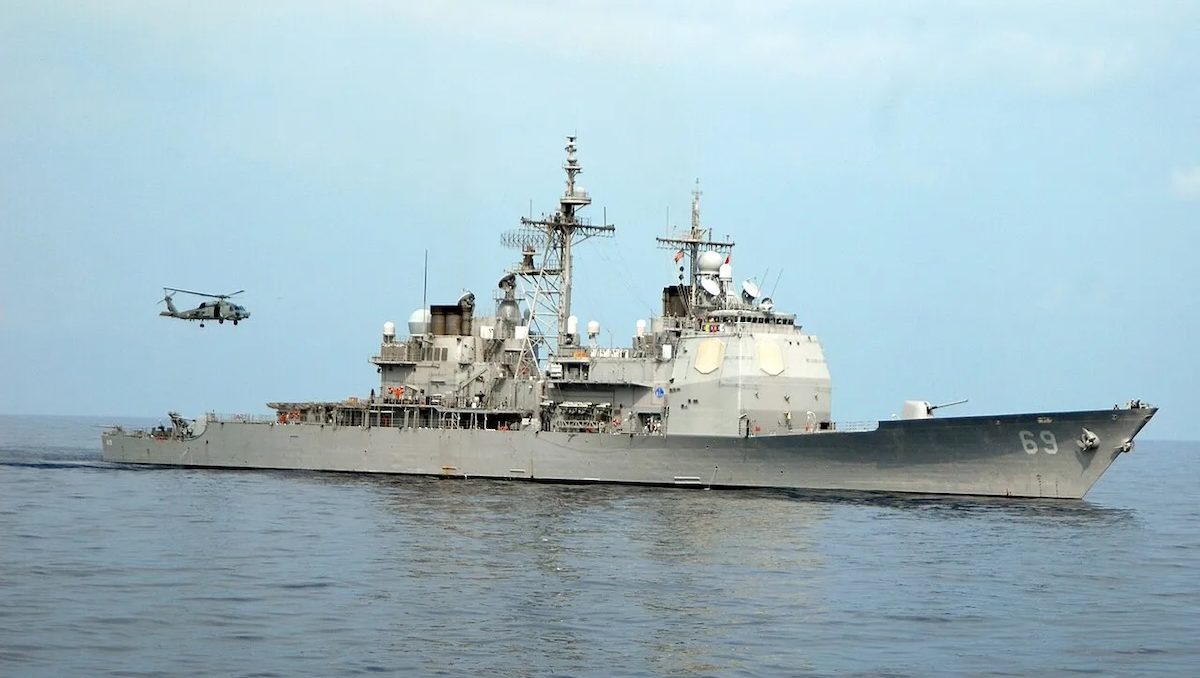
Compounding the crisis, the Navy has been rapidly decommissioning its capable Ticonderoga-class cruisers while the frigate program faltered. Fifteen cruisers have already been decommissioned, with five scrapped and six more scheduled for removal. This dismantling occurred despite a $3.7 billion modernization program for seven cruisers, four of which were decommissioned before returning to service, resulting in approximately $1.84 billion in wasted investments.
The Constellation program’s failure stemmed from fundamental design flaws. Despite beginning with an proven Italian FREMM frigate design, numerous modifications reduced commonality to just 15%, while critical components including the power plant remained unfinished and untested—particularly concerning given previous propulsion failures in LCS vessels and British carriers.
With only six new Arleigh Burke destroyers expected by 2029 at $2.5 billion each, naval analysts suggest reactivating modernized Ticonderoga cruisers as a stopgap solution. These cruisers boast formidable capabilities including AEGIS defense systems, 122-missile vertical launch capacity, and multi-mission versatility that could rapidly augment fleet strength while saving billions by retiring vulnerable LCS vessels.