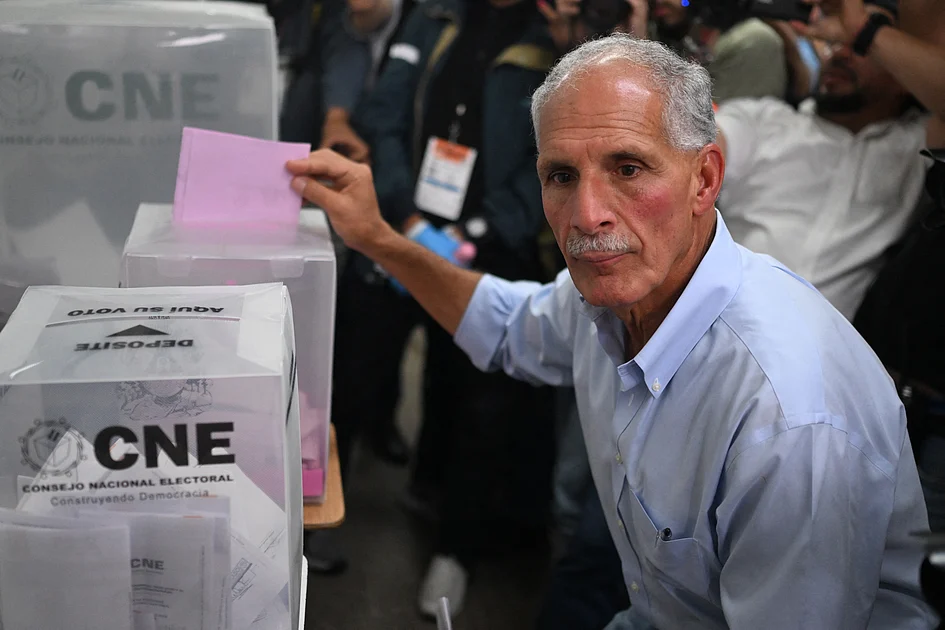
In a nail-biting presidential election that has captured international attention, conservative candidate Nasry Asfura maintains a precarious 0.4 percentage point lead with approximately 56% of votes counted. The 67-year-old former Tegucigalpa mayor, who campaigns under the folksy slogan “Grandad, at your service,” has received a controversial last-minute endorsement from U.S. President Donald Trump.
The American president has dramatically intensified his engagement in Latin American politics, explicitly threatening to cut foreign aid to both Honduras and Argentina should his preferred candidates fail to secure victory. This interventionist approach recently proved successful in Argentina, where Trump-backed Javier Milei triumphed in mid-term elections.
Trump’s endorsement came with explicit conditions, as he declared on his Truth Social platform: “If he (Asfura) doesn’t win, the United States will not be throwing good money after bad.” The U.S. president further stunned observers by announcing his intention to pardon former Honduran president Juan Orlando Hernández, who is currently serving a 45-year sentence in the United States for narcotics trafficking and related charges. Hernández was previously described by U.S. authorities as central to “one of the largest and most violent drug trafficking conspiracies in the world.”
The election represents a significant rejection of the ruling leftist Libre party, whose candidate trails with less than 20% of the vote. Supporters of the incumbent party have already called for protests, raising concerns about potential civil unrest amid preemptive allegations of electoral fraud from multiple factions.
Beyond the presidential race, Hondurans are also selecting legislators and hundreds of mayors in what has been described as a fiercely polarized political environment. The outcome could significantly shift the country’s international alignment, with a conservative victory likely to strengthen U.S. influence in a nation that has recently developed closer ties with China.
The painstakingly slow vote count continues, with officials indicating final results may require several days to confirm. Political analyst Carlos Calix noted that with current data, “It is impossible to know the winner.”
The campaign notably avoided substantive discussion of Honduras’ most pressing challenges: rampant drug trafficking, extreme poverty, and systemic violence. Instead, Trump’s threats and promised pardon dominated political discourse, highlighting the growing influence of external actors in the nation’s democratic processes.
For ordinary Hondurans, the election carries profound implications. Many express hope that improved relations with the United States might ease immigration restrictions that have resulted in nearly 30,000 deportations since January, dealing a devastating blow to an economy where remittances constitute 27% of GDP. Others resent the perceived foreign interference, insisting their votes reflect domestic concerns rather than international pressure.