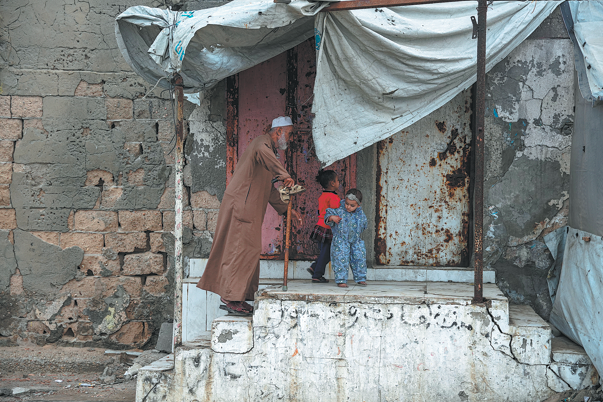
United Nations human rights authorities are issuing an urgent international appeal for immediate intervention to halt Israel’s systematic breaches of a US-mediated ceasefire agreement in Gaza. A coalition of 20 UN special rapporteurs and working groups, including prominent human rights investigator Francesca Albanese, has documented 393 separate violations since the truce was established last month.
The documented incidents have resulted in 339 Palestinian fatalities, including more than 70 children, with an additional 871 individuals sustaining injuries. The deadliest single episode occurred on October 28, when airstrikes claimed 104 lives. Despite the nominal ceasefire, military operations including gunfire, artillery shelling, and airstrikes have persisted across all five governorates of the Gaza Strip.
UN experts characterized these actions as “a blatant violation of the ceasefire agreement” and emphasized that humanitarian access remains critically constrained. Only two of six border crossings have reopened, with aid deliveries consistently failing to meet the agreed target of 600 trucks daily, frequently falling below half that number.
The situation is further complicated by Israel’s continued military presence, with more than 58% of Gaza remaining under Israeli control and 40 active military sites operating beyond agreed withdrawal boundaries. Experts warned that current arrangements risk entrenching rather than ending the occupation.
China’s UN Ambassador Fu Cong echoed these concerns during a Security Council session, identifying a lasting ceasefire as the top priority. While acknowledging progress in initial agreements, Fu emphasized that “peace is still far from being achieved” and urged Israel to fully comply with international humanitarian obligations, including opening all crossings and removing restrictions on aid organizations.
The Israel Defense Forces maintained in an official statement that recent operations in the Rafah area targeted terrorist infrastructure, claiming strikes against 60 targets including tunnel networks and weapons storage facilities.
Regional analysts like Muslim Imran of Malaysia’s Asia Middle East Center for Research and Dialogue argue that Israel’s pattern of violations in Gaza, Syria, and Lebanon demonstrates a systematic disregard for ceasefire agreements, suggesting the nation “is not interested” in genuine peaceful resolution.