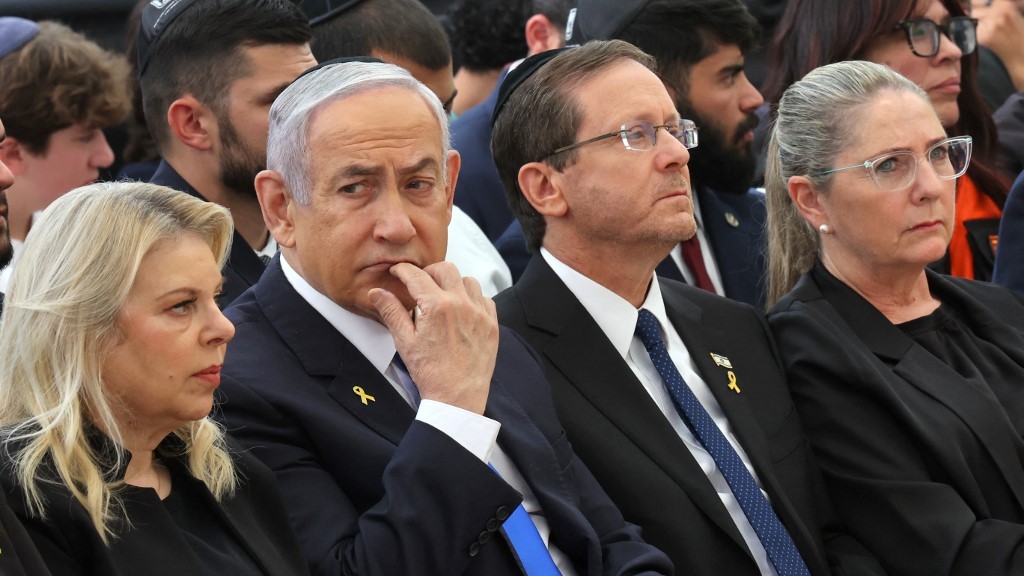
Israeli Prime Minister Benjamin Netanyahu has formally submitted a request for presidential clemency to President Isaac Herzog as he confronts ongoing corruption allegations. The unprecedented appeal argues that a pardon would serve the nation’s broader interests by alleviating social tensions exacerbated by his prolonged legal proceedings.
Netanyahu articulated in his petition that concluding the judicial process would ‘reduce the intensity of the flames’ in public discourse, emphasizing his commitment to national reconciliation during a period of significant security challenges. The Prime Minister stated his dedication to healing societal divisions and restoring institutional trust, while calling for unified support from all government branches.
The corruption charges against Netanyahu include serious allegations of fraud, bribery, and breach of trust, all of which he has vehemently denied. Specific accusations involve the alleged acceptance of luxury items exceeding $260,000 from wealthy benefactors in exchange for political favors, along with purported attempts to influence media coverage through backchannel negotiations with Israeli news organizations.
The timeline of Netanyahu’s court proceedings has experienced multiple postponements, attributed variously to Israel’s military engagements in Gaza, Syria, and Iran. Concurrently, the Prime Minister’s controversial judicial reform initiatives—which opponents argued would undermine judicial independence—sparked widespread protests that subsided following the outbreak of the Gaza conflict in October 2023.
International support for Netanyahu’s pardon has emerged from notable figures including former U.S. President Donald Trump, who recently communicated directly with President Herzog. Trump’s endorsement highlighted Netanyahu’s diplomatic achievements in normalizing relations with Arab nations, characterizing these developments as historic breakthroughs pursued for millennia.