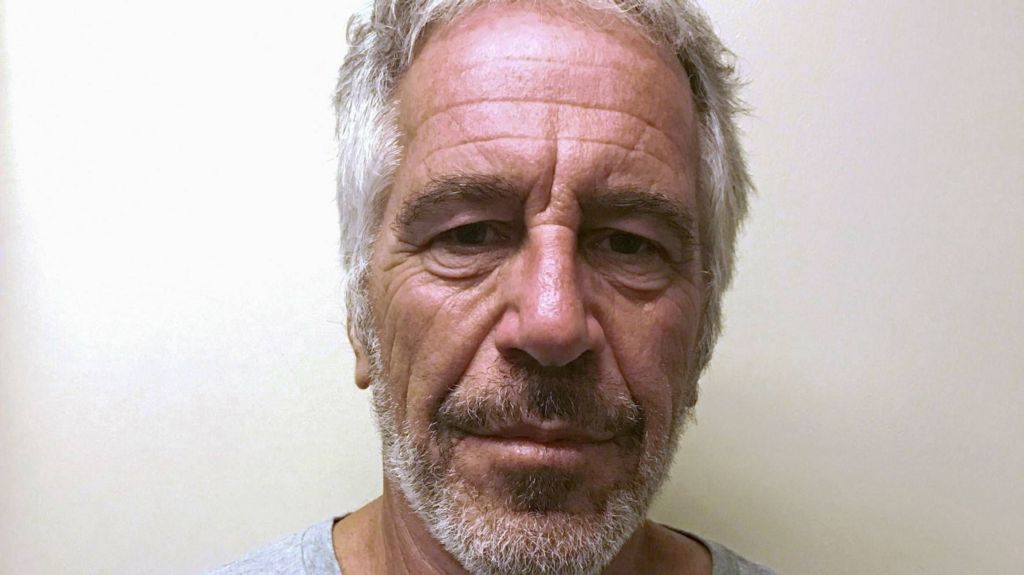
Newly disclosed court documents have exposed the remarkable persistence of Jeffrey Epstein’s connections within elite political and academic circles long after his criminal conviction for soliciting prostitution. The revelations, drawn from over 23,000 pages of personal correspondence, demonstrate how the convicted sex offender maintained influential relationships despite public scandal and legal condemnation.
The documents reveal particularly troubling communications between Epstein and sitting officials, including Democratic Congresswoman Stacey Plaskett. During a 2019 House committee hearing featuring testimony from Donald Trump’s former lawyer Michael Cohen, Plaskett exchanged text messages with Epstein, who encouraged specific lines of questioning. Though Plaskett claims Epstein was merely one of many constituents she communicated with that day, the timing—after his 2008 conviction but before his 2019 arrest for sex trafficking—raises questions about the normalization of his presence in powerful circles.
The extensive document trove illustrates Epstein’s sophisticated strategy of cultivating what author Barry Levine describes as ‘transactional relationships’ with powerful figures. Epstein positioned himself as a ‘people collector’ who leveraged financial expertise and social connections to maintain access to America’s elite. This access persisted despite his 2008 conviction and a damning Miami Herald investigation that detailed allegations of sexual abuse on his private island.
Among the most significant revelations are continued communications with prominent British politician Lord Peter Mandelson, who maintained contact with Epstein as late as 2016. The disclosures ultimately led to Mandelson’s dismissal as UK ambassador to the United States in September. Similarly, former Harvard President Larry Summers sought romantic advice from Epstein in November 2018—the same month the Herald investigation published—resulting in Summers recently stepping back from public commitments.
The documents also detail Epstein’s relationships with intellectual figures like linguist Noam Chomsky, who praised Epstein’s intellect in correspondence while acknowledging his criminal record. Notably absent from the communications is former President Donald Trump, who reportedly severed ties with Epstein years before his first arrest.
The revelations have triggered widespread examination of how social capital and financial influence can override ethical considerations in elite circles. As Levine notes, ‘His credentials among power brokers were extremely high, and many individuals probably just dismissed the conviction against him.’ This case continues to reveal the complex dynamics that allowed a convicted sex offender to maintain standing among the world’s most powerful people.