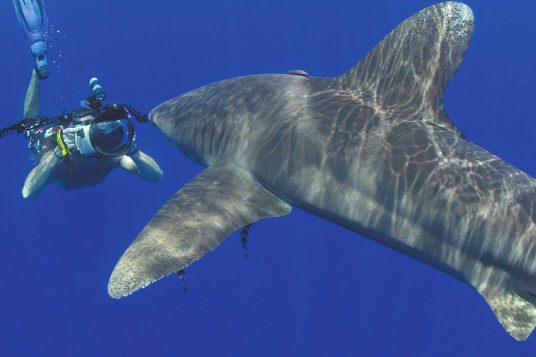
In a landmark conservation decision, the oceanic whitetip shark has received the highest level of international protection at the ongoing UN wildlife conference in Samarkand, Uzbekistan. The species becomes the first among more than 70 proposed shark and ray species to be uplisted to Appendix I of the Convention on International Trade in Endangered Species (CITES), effectively banning all commercial international trade of these sharks and their products.
The decision, adopted during the 20th Meeting of the CITES Conference of Parties (November 24-December 5), has been hailed by conservationists as a historic breakthrough for marine protection. The oceanic whitetip has experienced catastrophic population declines of 80-90% within just three generations due to relentless hunting for its fins and meat.
Barbara Slee, senior program manager at the International Fund for Animal Welfare, described the move as “our last hope for the oceanic whitetips,” emphasizing that these ancient predators have roamed oceans for millions of years but faced systematic slaughter. Luke Warwick, director of shark and ray conservation at the Wildlife Conservation Society, called the decision “a watershed moment for all sharks and rays,” noting it represents the first time CITES has granted full protection with a complete international trade ban to any shark species.
The protection comes amid alarming scientific evidence about global shark declines. A recent study in Science Advances revealed that over 37% of shark species now face extinction threats due to overexploitation. Another study in PLOS One documented severe ecological stress in coastal marine protected areas, with researchers observing a disturbing trend of “fishing down the food web” where removal of large species forces targeting of increasingly smaller species, pushing ecosystems toward collapse.
Lester Gittens, lead delegate from the Bahamas, stressed both economic and ecological imperatives for protection: “Sharks support jobs across our islands and further declines benefit no one. We cannot allow ourselves to become numb to the term critically endangered—the next category is extinct in the wild.”
The Appendix I listing is expected to eliminate incentives for illegal fishing and provide the species with critical recovery opportunities. With over 3,000 delegates attending the conference, further discussions will address additional proposals for shark and ray species protections.