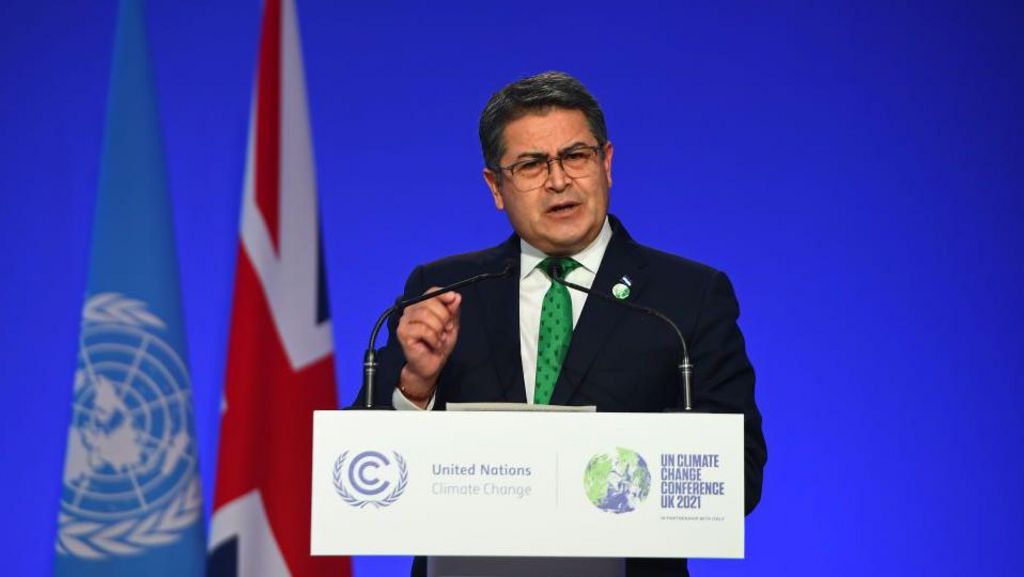
In a significant development at the intersection of international justice and diplomatic relations, former U.S. President Donald Trump has declared his intention to pardon convicted Honduran ex-leader Juan Orlando Hernández. The announcement came via Trump’s Truth Social platform on Friday, where he characterized Hernández’s treatment as “excessively harsh and unjust.”
Hernández, who presided over Honduras from 2014 to 2022, was found guilty by a New York jury in March 2024 on charges including conspiracy to import cocaine into the United States and illegal possession of machine guns. Following his extradition to the U.S. in April 2022, the former National Party leader received a 45-year prison sentence for orchestrating a violent drug trafficking network responsible for smuggling hundreds of tons of cocaine into American territory.
The political context of Trump’s announcement is particularly notable as Honduras prepares for Sunday’s general election. Trump simultaneously expressed strong support for conservative candidate Tito Asfura, the former mayor of Tegucigalpa and current National Party leader. In his social media post, Trump framed Asfura as a champion of democracy standing against what he described as Venezuelan President Nicolás Maduro’s influence.
Trump’s commentary extended to criticism of other presidential contenders, including Rixi Moncada of the leftist LIBRE Party and centrist candidate Salvador Nasralla, whom he labeled a “borderline Communist” allegedly seeking to split the opposition vote.
The current Honduran political landscape under LIBRE Party President Xiomara Castro has maintained cooperative relations with the United States despite her government’s ties to Cuba and Venezuela. Honduras continues to host a U.S. military base targeting transnational organized crime and upholds an extradition treaty with Washington.
This development occurs against the backdrop of heightened U.S. anti-narcotics operations in the region. The controversial “Operation Southern Spear” has resulted in over 80 fatalities from U.S. strikes on vessels suspected of drug trafficking, though legal experts have questioned the operation’s evidentiary standards and legality.