A disturbing case of international deception has emerged as South African citizens find themselves trapped in Ukraine’s war-torn Donbas region after being allegedly recruited under false pretenses. Multiple sources confirm that approximately two dozen men were lured to Russia with promises of security training programs, only to be forced into combat operations alongside Russian forces.
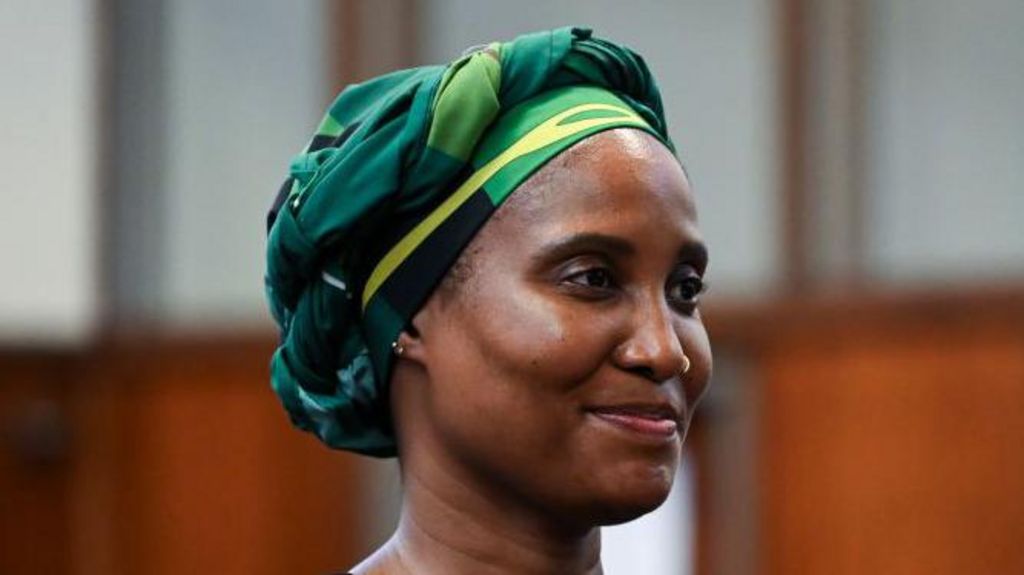
The recruitment scheme allegedly involves high-profile political figures, including Duduzile Zuma-Sambudla, daughter of former South African President Jacob Zuma and current MP for the uMkhonto weSizwe (MK) opposition party. While Zuma-Sambudla denies intentional wrongdoing, claiming she herself was deceived, victims’ families provide chilling accounts of their relatives’ ordeal.
One identified only as ‘Sipho’ for safety reasons described through voice messages how recruits were presented with contracts in Russian they couldn’t understand, then transported to frontlines within Ukraine. His brother Xolani, campaigning for his return in South Africa, reveals the group initially believed they were signing up for legitimate bodyguard training for the MK party.
The situation has triggered formal investigations by South Africa’s elite Hawks police unit, examining potential charges including human trafficking, illegal recruitment, and fraud. The case has further complicated diplomatic relations, with the South African government acknowledging distress calls from 17 confirmed citizens in Donbas but remaining largely silent on rescue efforts.
Family members report the recruits face extreme danger, with one reportedly wounded by shrapnel and others describing regular drone attacks. The victims consistently express desperation to return home, with Sipho noting in audio recordings: ‘Things you see in the movies, we’re seeing it live.’
The scandal has exposed internal divisions within the Zuma family, with half-sister Nkosazana Zuma-Mncube filing police reports alleging her relative knowingly deceived recruits. The MK party has scheduled a press conference to address what it terms the ‘Russia-Ukraine matter,’ while international attention grows regarding mercenary recruitment practices in conflict zones.