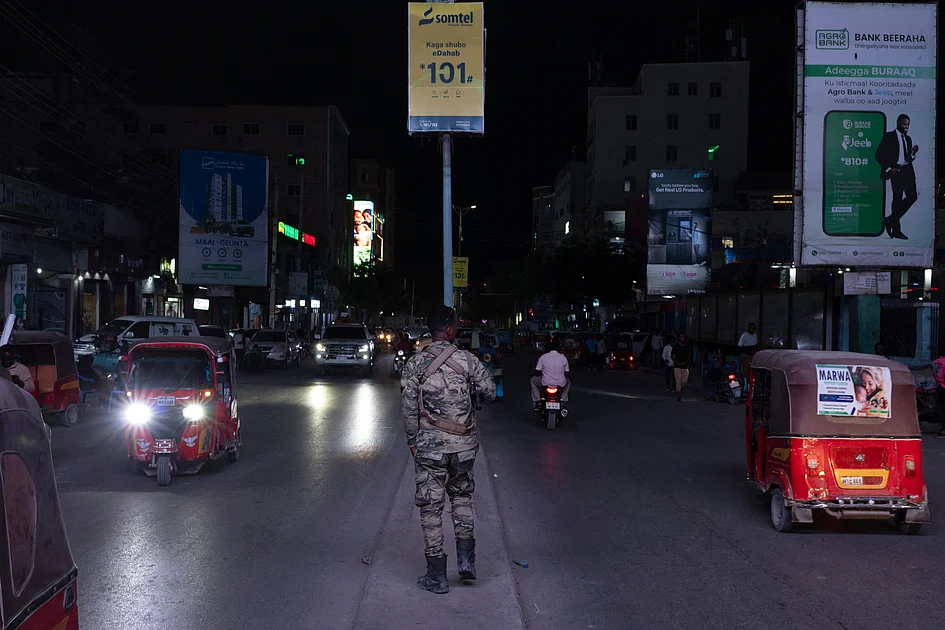
Mogadishu, the capital of Somalia, is experiencing a remarkable transformation as it emerges from decades of conflict and instability. For the first time in years, the city’s three million residents are witnessing a construction boom, with new buildings rising amidst the remnants of war-torn streets. Pavements still bear the scars of bullet holes, and ruined structures remain, but the dominant sound is now the clatter of construction rather than the echoes of destruction. This resurgence is a testament to the resilience of a city that has endured civil war in the 1990s and a militant insurgency that continues to threaten parts of the country. Despite these challenges, Mogadishu is making strides toward recovery, driven by improved security measures and investment from the Somali diaspora. The government attributes the decline in insurgent attacks—down 86% from 2023 to mid-2025—to a new system of checkpoints and enhanced professionalism among security forces. However, the city still faces significant hurdles, including the resurgence of Al-Shabaab in surrounding areas and growing inequality. While wealthy officials and foreigners benefit from improved living standards, many residents grapple with forced evictions and limited access to essential services. The construction boom, though a sign of progress, raises questions about who truly benefits from Mogadishu’s rise.