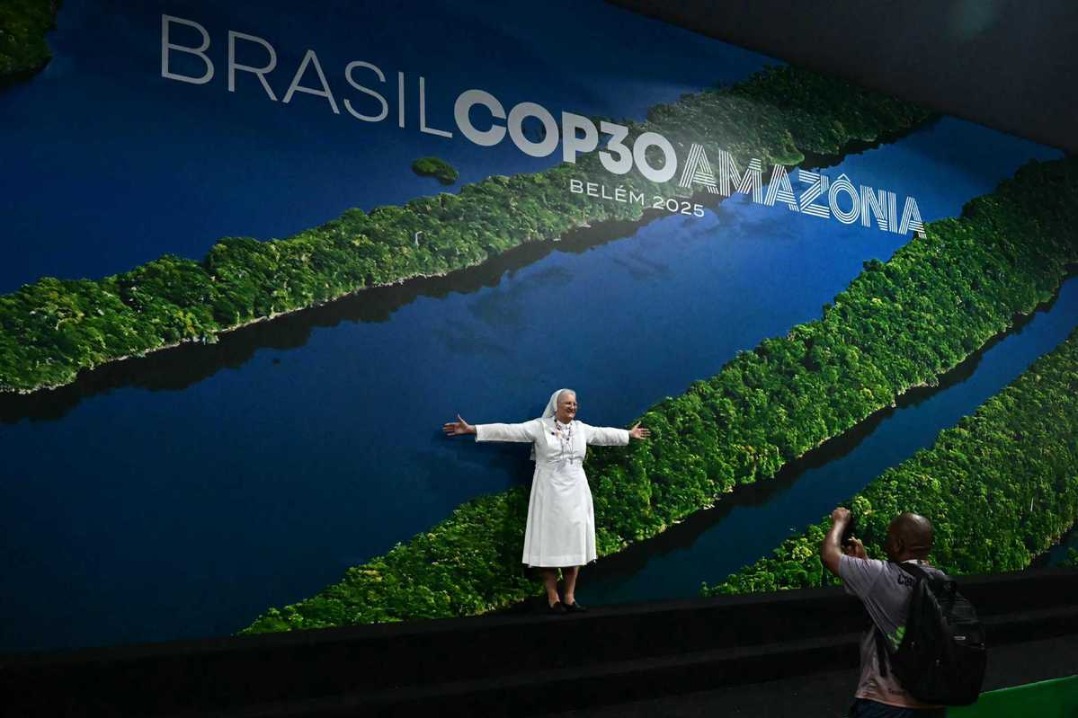
The 30th session of the Conference of the Parties to the United Nations Framework Convention on Climate Change (COP30), held in Belem, Brazil, concluded with significant outcomes, underscoring the enduring strength of multilateralism despite global challenges. The conference adopted a comprehensive package of decisions, including a commitment to triple adaptation finance by 2035, emphasizing the need for developed nations to enhance climate finance for developing countries. A set of 59 voluntary indicators was finalized to track progress under the Global Goal on Adaptation, covering sectors such as water, food, health, ecosystems, and livelihoods. Additionally, COP30 introduced a just transition mechanism to foster international cooperation and equitable transitions. A historic framework titled ‘Global Mutirao: Uniting Humanity in a Global Mobilization Against Climate Change’ was also adopted, featuring the Global Implementation Accelerator to support countries in meeting their climate commitments. Chinese officials, including Wang Yi and Li Gao, highlighted the importance of these outcomes, particularly the inclusion of mechanisms to counter unilateral measures. UN officials, including Executive Secretary Simon Stiell and Secretary-General Antonio Guterres, praised the conference for its unprecedented political signals and called for continued global efforts to address the climate crisis. The event marked a pivotal moment in global climate governance, reaffirming the collective resolve to combat climate change despite political and economic headwinds.