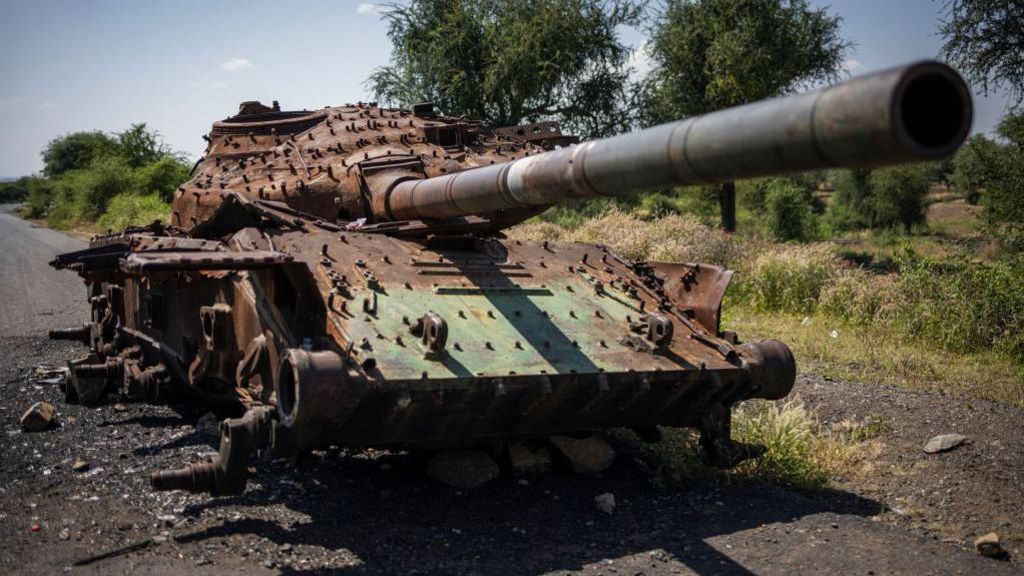
Mounting tensions between Ethiopia and Eritrea have sparked fears of a potential armed conflict in the Horn of Africa. The dispute centers on Ethiopia’s demand for access to the Red Sea through Eritrea, a contentious issue that has reignited historical animosities. Ethiopian Prime Minister Abiy Ahmed has repeatedly emphasized the strategic importance of sea access, calling it an existential necessity for his landlocked nation. However, Eritrea has dismissed these claims, labeling them as a “toxic agenda” of irredentism. The two nations share a complex history, marked by Eritrea’s secession from Ethiopia in 1993 after a decades-long independence struggle, leaving Ethiopia without a coastline. A brutal border war in 1998 further strained relations, resulting in over 100,000 deaths. Recent months have seen a sharp escalation in rhetoric, with Ethiopian officials openly asserting ownership of Eritrea’s southern port of Assab and hinting at the possibility of reclaiming it by force. Ethiopian leaders, including army chief Field Marshal Birhanu Jula, have framed the issue as a matter of national survival, citing Ethiopia’s growing population and economic needs. In response, Eritrea has issued stern warnings, with Information Minister Yemane Gebremeskel describing Ethiopia’s stance as “dangerous” and a violation of international norms. The Eritrean army has also cautioned against crossing “red lines,” warning of severe consequences. While there have been no reports of major military movements, Ethiopia has been bolstering its defense capabilities, showcasing new weaponry and conducting large-scale military training exercises. State media in Ethiopia has amplified the government’s narrative, portraying the loss of Red Sea access as an injustice that must be rectified. Conversely, Eritrean media has accused Ethiopia of attempting to reignite settled disputes. The situation has drawn attention from international observers, with concerns over the potential for conflict in an already volatile region. The historical context of the dispute, coupled with recent developments, underscores the fragility of relations between the two nations and the high stakes involved.