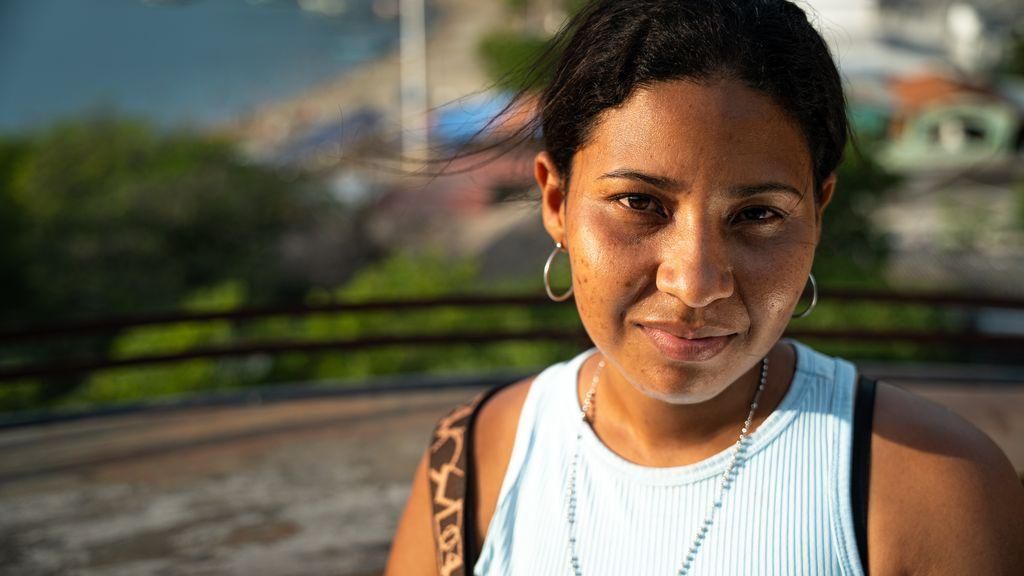
The serene fishing village of Taganga on Colombia’s Caribbean coast has become a focal point of international tension following US military strikes targeting alleged drug-trafficking vessels. Lizbeth Perez, the niece of missing fisherman Alejandro Carranza, recalls her last conversation with her uncle in September, describing him as a kind and cheerful man who loved his work. Carranza, a father of five, disappeared after setting out on his boat from La Guajira, Venezuela, on September 14. The next day, US President Donald Trump announced a strike on a vessel departing Venezuela, killing three individuals he labeled as ‘narco-terrorists.’ Carranza’s family remains in anguish, uncertain if he was among the victims. The US has conducted at least 21 strikes in the Caribbean and Pacific since September, resulting in 83 deaths. US Defense Secretary Pete Hegseth defends the campaign as a necessary measure to combat drug trafficking and protect American lives. However, the strikes have drawn condemnation from regional leaders, including Colombian President Gustavo Petro, who accused the US of ‘murder’ and suspended intelligence sharing with Washington. Petro claims Carranza was transporting drugs to fund his daughter’s education but argues that such actions do not warrant a death sentence. Carranza’s family denies his involvement in drug trafficking and has enlisted US lawyer Daniel Kovalik to sue the US government, citing violations of international law. The Trump administration justifies the strikes by invoking war-time powers, claiming the US is in a ‘non-international armed conflict’ with drug cartels. Meanwhile, local fishermen like 81-year-old Juan Assis Tejeda live in fear of being mistakenly targeted. The strikes have also fueled speculation about US intentions to pressure Venezuelan President Nicolás Maduro, whom the US accuses of leading a criminal trafficking organization. As tensions escalate, Caribbean fishing communities brace for an uncertain future, questioning whether diplomacy or conflict lies ahead.
Family of missing Colombian seek answers after US strike on alleged drug boat