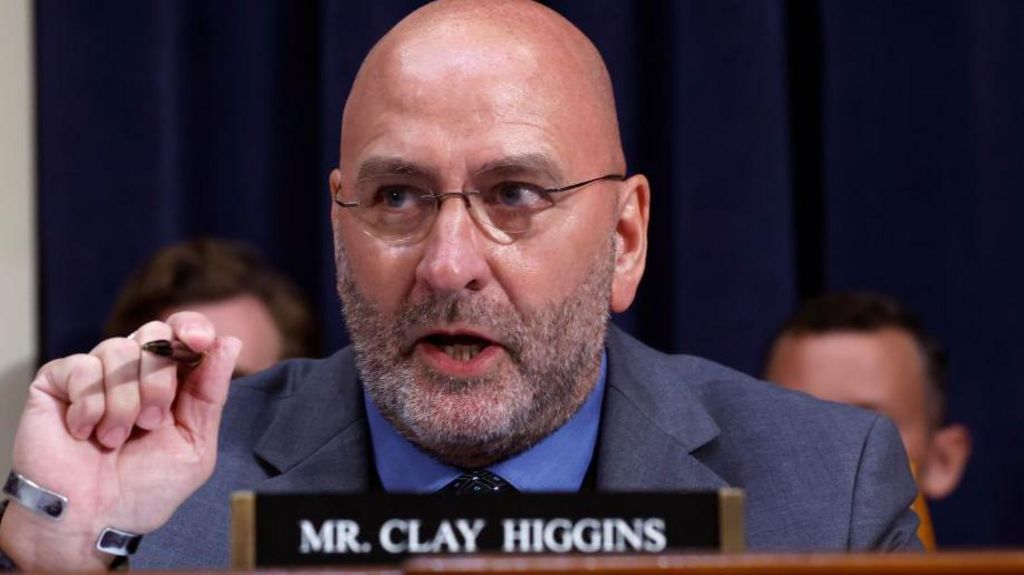
In a rare display of bipartisan unity, the US House of Representatives overwhelmingly passed a bill to release documents related to convicted sex offender Jeffrey Epstein. The legislation, which garnered a staggering 427-1 vote, saw nearly every Republican in the House voting in favor, with the sole dissenting vote coming from Louisiana Representative Clay Higgins. Higgins, a staunch conservative, argued that the bill compromised the privacy of Epstein’s victims and witnesses, stating on social media platform X that it ‘abandons 250 years of criminal justice procedure in America.’
The bill, which aims to shed light on the Epstein case, quickly gained momentum after President Donald Trump dropped his opposition to the vote. Hours after the House’s decision, the US Senate unanimously approved the legislation, paving the way for Trump’s signature. Higgins expressed willingness to support the bill if amended, but Senate Majority Leader John Thune indicated that changes were unlikely given the overwhelming support.
Higgins’ dissent is not unprecedented. Known for his controversial remarks and unorthodox stances, he has previously faced censure from his party for offensive comments about Haiti and its people. His career has been marked by controversy, including his resignation from the St. Landry’s Parish Sheriff’s Office in 2016 following backlash over an anti-crime video in which he threatened gang members while holding a rifle.
The passage of the Epstein bill represents a significant step toward transparency in a case that has captivated public attention for years. However, concerns remain about the potential impact on the privacy of individuals involved in the investigation. As the bill moves to the President’s desk, its implications for both justice and privacy continue to spark debate.