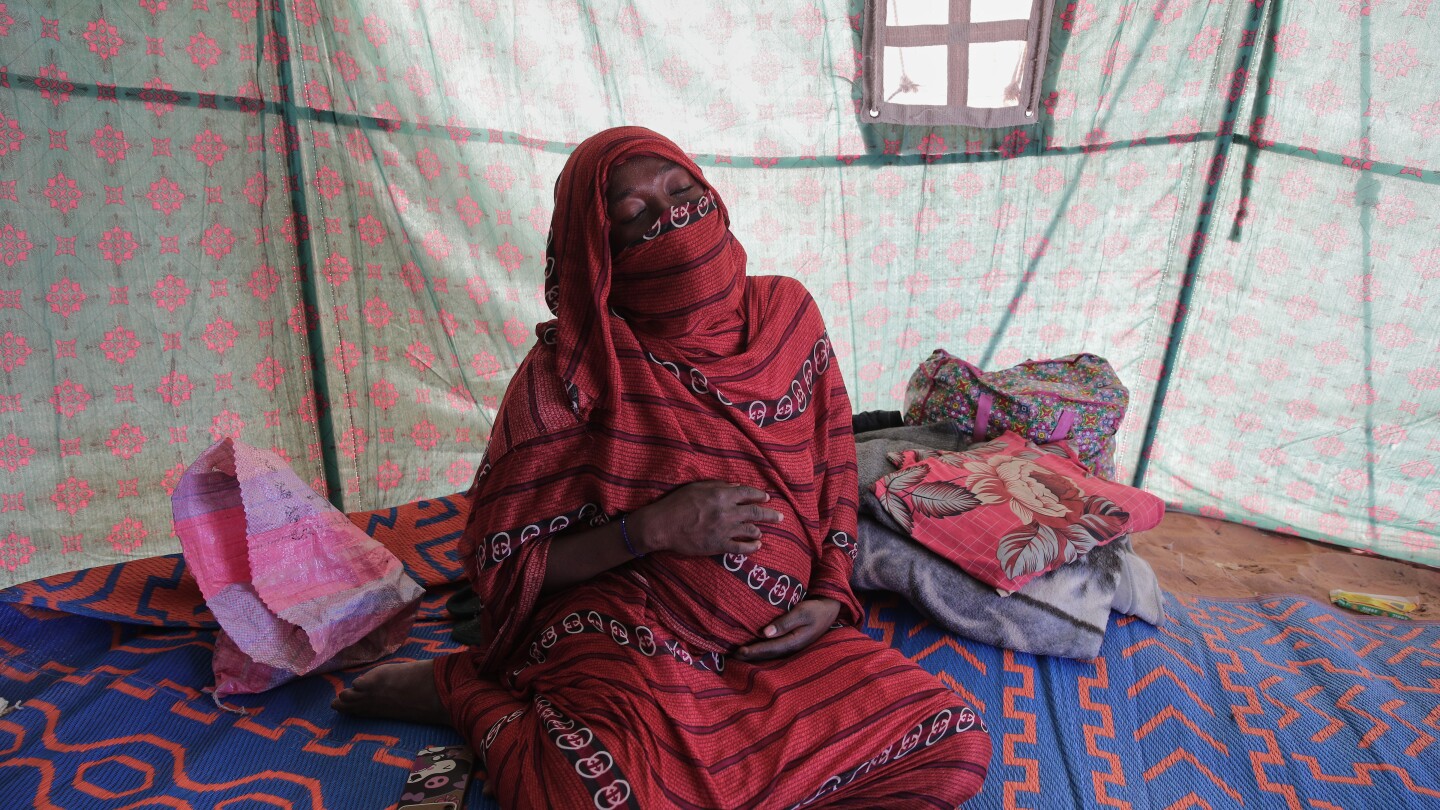
In the midst of Sudan’s ongoing conflict, pregnant women like Nadra Mohamed Ahmed are enduring unimaginable hardships. Ahmed, seven months pregnant, fled her hometown of el-Fasher in West Darfur, trekking nearly 40 kilometers with her two children to reach a displacement camp in al-Dabbah. Her journey was fraught with danger and exhaustion, culminating in severe health complications that required intensive medical care. Ahmed’s story is emblematic of the broader crisis facing Sudanese women, as the country’s healthcare system collapses under the weight of war. According to the Sudan Doctors Network, over 140 pregnant women have arrived at al-Dabbah camps since el-Fasher’s fall, many suffering from severe complications such as hemorrhaging and miscarriages. The Rapid Support Forces (RSF), a paramilitary group, have exacerbated the crisis by targeting civilians and healthcare facilities, leaving thousands of pregnant women without access to life-saving maternal care. The conflict, which began in 2023, has displaced 12 million people and claimed at least 40,000 lives, according to the World Health Organization. Pregnant and lactating women are particularly vulnerable, facing malnutrition and the risk of violence as they forage for food. The international community has called for urgent action to address the humanitarian crisis, but the situation remains dire for women like Ahmed, who continue to struggle for survival in a war-torn nation.
Dozens of pregnant women flee from Sudan’s el-Fasher, risking their lives and babies