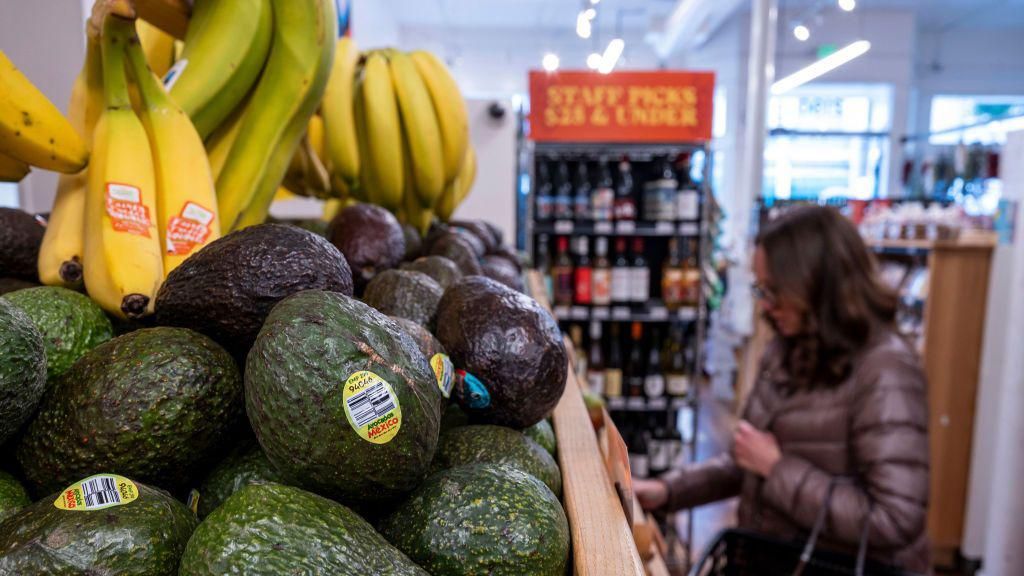
In a significant policy shift, former President Donald Trump recently announced the removal of tariffs on over 200 products, including staples like bananas and coffee. This decision, seen as a political concession, aims to address rising cost-of-living concerns that have been impacting White House approval ratings and Republican electoral prospects. The Food Industry Association (FMI) lauded the move as a ‘critical step’ toward affordability, echoing sentiments from various business groups. However, the practical economic relief may not match the political significance of the gesture. According to Yale’s Budget Lab, Trump’s tariffs, which include a 10% baseline tax on imports and additional levies on many trading partners, were projected to increase food prices by 1.9% in the short term. Historically, U.S. grocery prices have been relatively stable, rising an average of only 2% annually between 2013 and 2021. While the tariff removal targets items with negligible domestic production, such as coffee, spices, and tropical fruits, its overall impact on household grocery budgets is expected to be modest. Economists note that imports account for less than 20% of total U.S. food and beverage purchases, with many imports from Mexico already exempt due to trade agreements. Additionally, factors like rising labor costs and droughts continue to drive food prices upward. Despite the tariff rollback, food companies still face higher costs from tariffs on materials like aluminum, used in canned foods, and items like wine, cheese, and palm oil remain unaffected. The Trump administration has framed high food prices as a legacy issue from the Biden era, cautioning that significant price reductions will take time. While some price relief is anticipated, experts warn that the psychological impact of high prices may persist, influencing future industry decisions.