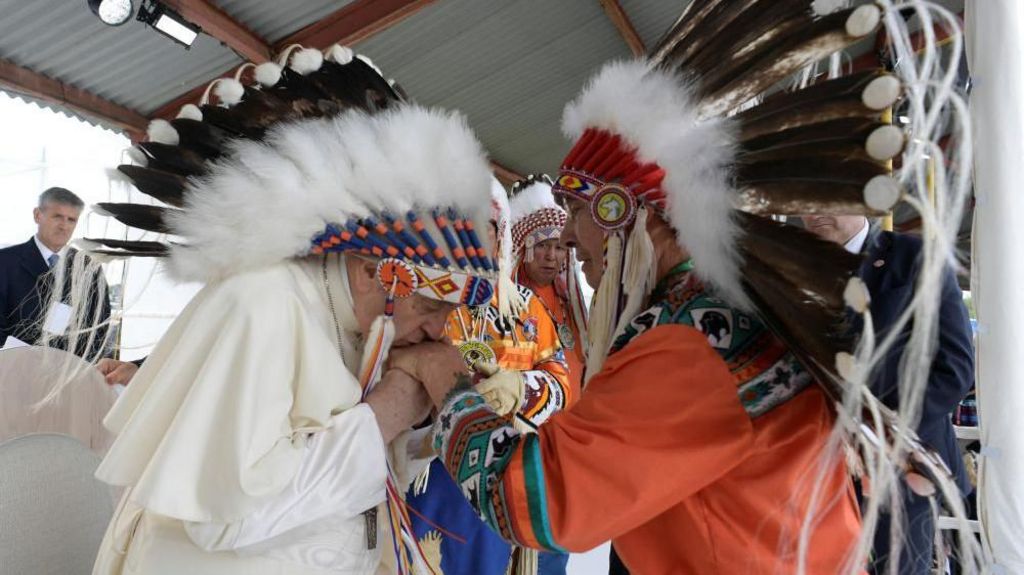
In a significant gesture of reconciliation, the Vatican has repatriated 62 indigenous artefacts to Canada, a century after they were removed from tribal communities to be displayed in a missionary museum in Rome. The items were formally handed over by Pope Leo XIV to the Canadian Conference of Catholic Bishops (CCCB) on Saturday, with plans to return them to their original native communities. This move follows Pope Francis’s historic apology in 2019 for the Catholic Church’s role in the cultural suppression and systemic abuse of Indigenous peoples through the residential schools programme. A joint statement from the Vatican and the CCCB emphasized the Pope’s desire for this act to symbolize ‘dialogue, respect, and fraternity,’ highlighting the artefacts as testaments to the intersection of faith and indigenous cultures. Among the returned items are an Inuit kayak historically used for whale hunting and a set of embroidered gloves from the Cree Nation. The artefacts, currently stored in Rome, are scheduled to be flown back to Canada on December 6. During Pope Francis’s 2022 ‘penitential pilgrimage’ to Canada, tribal leaders had requested the return of these cultural treasures. The CCCB has entrusted Canada’s National Indigenous Organizations with the task of reuniting the artefacts with their communities of origin. The repatriation costs have been covered by the tribes, who plan to hold ceremonial events before the official return. Canadian Foreign Minister lauded the initiative as a crucial step in honoring Indigenous heritage and advancing truth, justice, and reconciliation. The artefacts had been part of the Vatican Museum’s Anima Mundi ethnographic collection, described by the Church as ‘gifts’ from tribal leaders. However, critics argue this characterization overlooks the historical power imbalance during their transfer. The items were taken to Europe during a period when Canadian law and Catholic decrees prohibited native spiritual practices, leading to the confiscation of ceremonial objects.