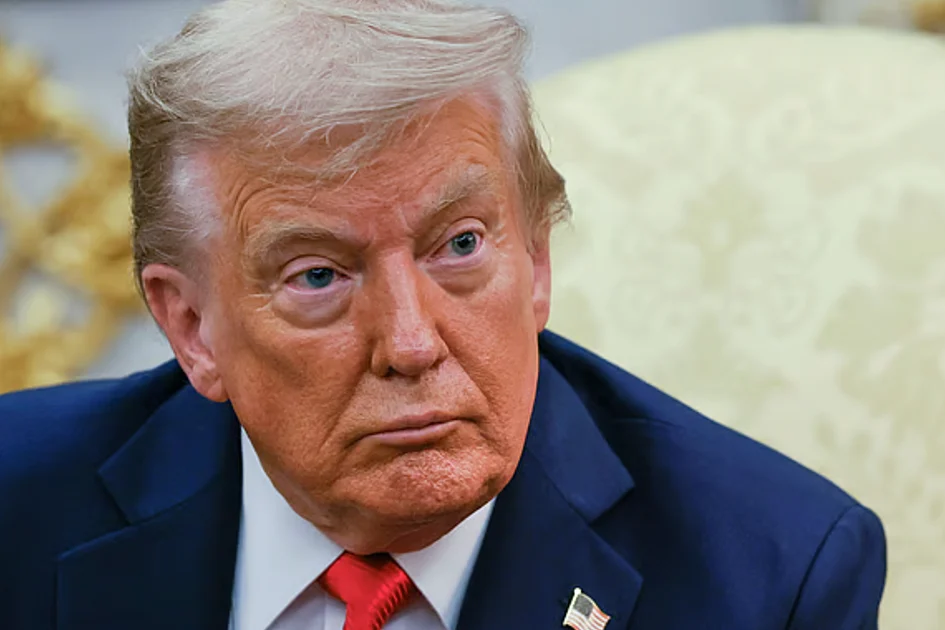
In a significant move to address escalating cost-of-living concerns, US President Donald Trump signed an executive order on Friday to reduce tariffs on essential agricultural imports, including beef, coffee, bananas, and tomatoes. This decision comes as the Trump administration faces mounting pressure from voters grappling with affordability issues, which played a pivotal role in recent elections for New York City mayor and the governors of New Jersey and Virginia. The new tariff exemptions, which are retroactively effective from Thursday, aim to alleviate price pressures on goods that the US cannot sufficiently produce domestically. Products such as avocados, coconuts, and pineapples are also included in the exemption list. The administration’s decision follows a series of trade agreements with Argentina, Guatemala, Ecuador, and El Salvador, which similarly aim to remove ‘reciprocal’ tariffs on goods the US cannot produce in adequate quantities. National Coffee Association president Bill Murray hailed the move, stating it would ease cost-of-living pressures for the majority of American adults who rely on daily coffee consumption. The administration has acknowledged the economic strain on Americans, with Trump’s top economic adviser, Kevin Hassett, vowing to address the issue promptly. While the broader impact of tariffs on inflation remains moderate, policymakers warn that higher levies could continue to affect prices across the economy.