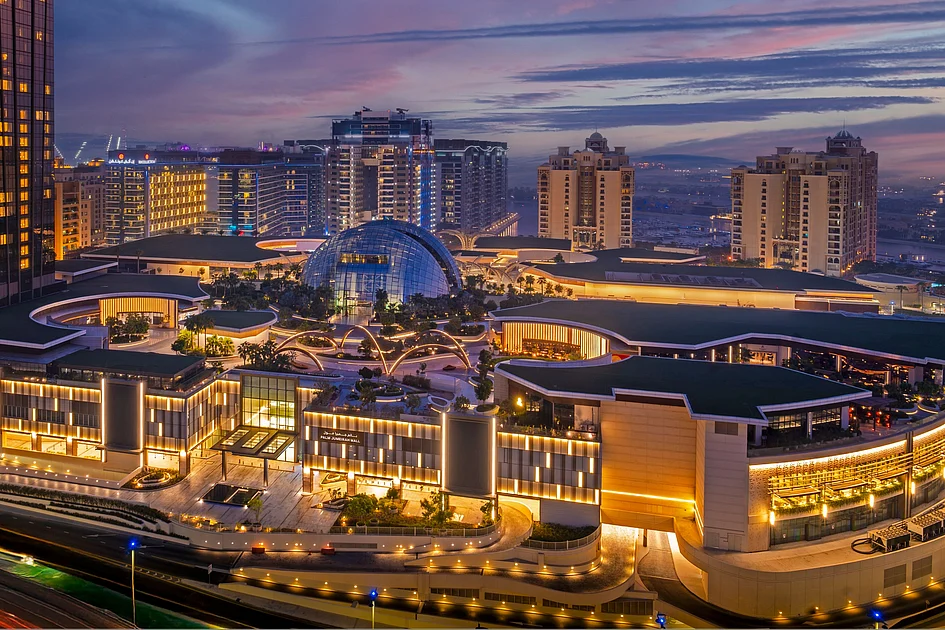
Dubai’s mall economy is experiencing an unprecedented boom, defying global trends where traditional malls struggle against e-commerce. The UAE’s retail landscape is undergoing a transformative phase, with new developments and ambitious refurbishments reshaping the city’s iconic shopping destinations. Unlike many global counterparts, Dubai’s malls are thriving, evolving into immersive, multi-sensory hubs that blend shopping, dining, entertainment, and culture. This growth is not just a retail phenomenon but a cornerstone of the city’s tourism and economic strategy. In 2024, Dubai Mall alone attracted 111 million visitors, solidifying its status as the world’s most visited place. The mall economy’s ripple effects extend beyond retail, anchoring real estate, boosting hospitality, and creating jobs. Developers are investing billions in expansions, such as Emaar’s Dh1.5 billion District project and Majid Al Futtaim’s Dh5 billion transformation of Mall of the Emirates. Community malls like Nad Al Sheba are also gaining traction, enhancing local living standards and real estate values. Dubai’s malls have successfully integrated digital innovations, creating a hybrid shopping experience that complements rather than competes with e-commerce. However, sustaining this growth poses challenges, including managing environmental impacts and ensuring continuous innovation. The future of Dubai’s malls lies in leveraging AI, AR, and IoT to create immersive, personalized experiences, cementing their role as lifestyle destinations rather than mere shopping venues.