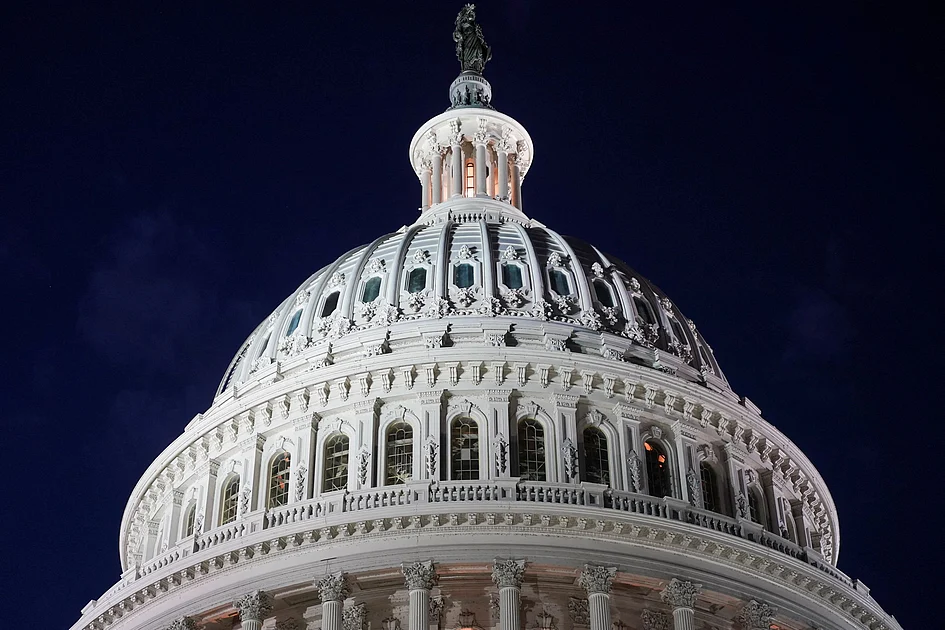
The United States has emerged from its longest government shutdown in history, a 43-day standoff that left federal agencies paralyzed and hundreds of thousands of workers unpaid. The Republican-controlled House of Representatives voted largely along party lines to pass a Senate-approved funding package, reopening government operations and ending the political impasse that had gripped Washington. The shutdown, which began amid a bitter blame game between Democrats and former President Donald Trump’s Republicans, has left a trail of economic and political consequences. The approved package funds military construction, veterans’ affairs, the Department of Agriculture, and Congress through next fall, with other government agencies funded until the end of January. Approximately 670,000 furloughed federal employees are set to return to work, while those who worked without pay—including over 60,000 air traffic controllers and airport security staff—will receive back pay. The deal also reinstates federal workers dismissed during the shutdown and aims to restore normalcy to disrupted air travel. President Trump, who is scheduled to sign the bill, accused Democrats of costing the country $1.5 trillion through their actions, a claim widely disputed. The Congressional Budget Office estimates the shutdown caused $14 billion in lost economic growth. Politically, the shutdown has deepened divisions within the Democratic Party, with moderates breaking ranks to broker a deal that failed to secure significant health care concessions. While Democratic leaders argue they successfully highlighted Republican failures in health care, progressive factions are critical of their leadership’s inability to maintain unity. The fallout from the shutdown is expected to shape the political landscape leading up to the 2026 midterm elections.