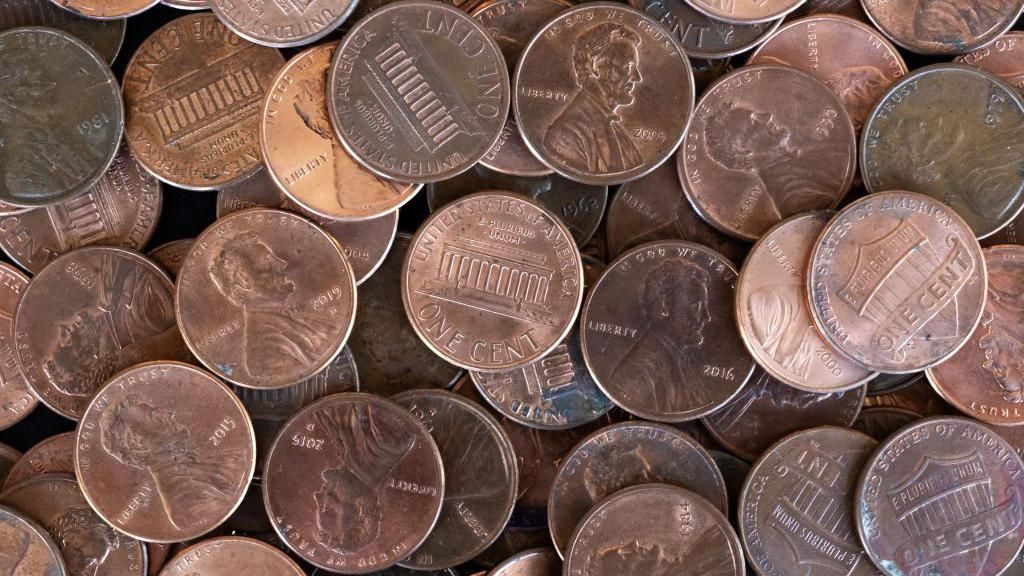
The United States is bidding farewell to the penny, a one-cent coin that has been in circulation for over 230 years. The Philadelphia Mint will produce its final batch of pennies on Thursday, marking the end of an era. While the coins will remain in circulation, businesses are already adjusting prices as pennies become increasingly scarce. The decision to halt production is driven by economic considerations, with the government estimating annual savings of $56 million. President Donald Trump, who first announced the plans in February, framed the move as a step toward eliminating waste in the national budget. Pennies, which honor Civil War president Abraham Lincoln and are made of copper-plated zinc, now cost nearly four cents each to produce—more than twice the cost a decade ago. The rise of electronic transactions has further diminished the penny’s relevance, with the Treasury Department noting that approximately 300 billion pennies remain in circulation, far exceeding commercial needs. A 2022 government analysis revealed that about 60% of all coins in circulation, equivalent to $60-$90 per household, are stashed away at home, deemed not worth trading in. However, the phase-out may have unintended consequences for consumers. A study by the Richmond Federal Reserve estimates that businesses rounding up prices could cost shoppers $6 million annually. The US is not alone in this trend; countries like Canada, Australia, and New Zealand have also phased out their lowest-value coins. Attention in the US has now shifted to the nickel, which costs nearly 14 cents to produce despite its five-cent face value. Retiring the nickel could have a more significant financial impact, potentially costing consumers $55 million annually.