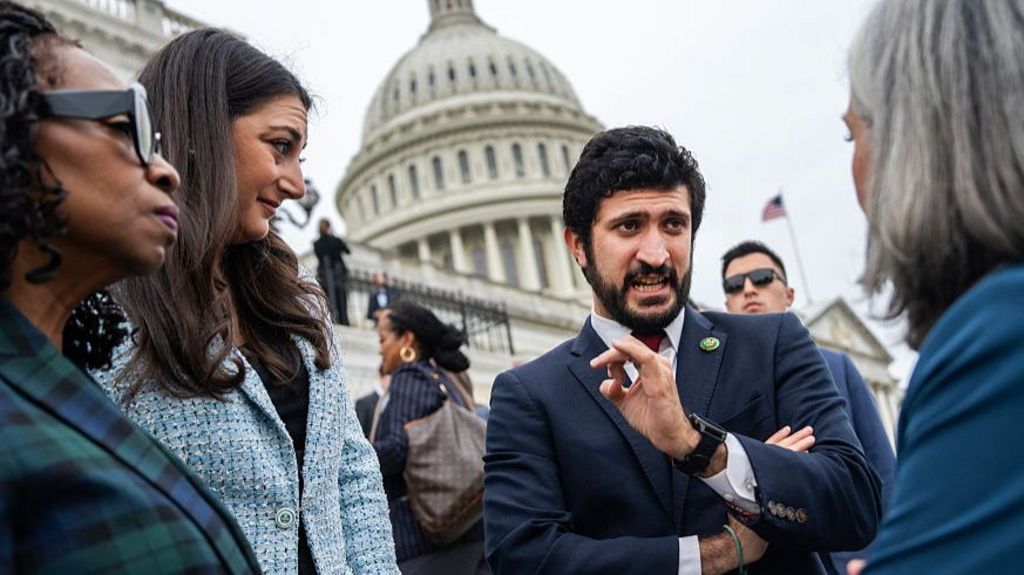
Following the US Senate’s approval of a spending bill to end the longest government shutdown in history, the focus now shifts to the House of Representatives, where a critical vote is expected this week. Unlike the Senate, House Republicans can pass the budget without Democratic support if they remain united, though the margin for error is exceptionally narrow. Key issues remain unresolved, particularly the Democrats’ push to renew tax credits that make health insurance more affordable for 24 million Americans. Senate Republicans have only agreed to a December vote on extending these subsidies, while House Speaker Mike Johnson has not committed to allowing a vote on the matter. This stance carries significant political risk for Republicans, as failing to extend the subsidies could lead to skyrocketing health insurance premiums, providing Democrats with a potent campaign issue for the upcoming midterm elections. Marjorie Taylor Greene, a conservative Republican from Georgia, has broken ranks with former President Donald Trump to warn against such a scenario. Meanwhile, Democrats, emboldened by recent election victories in Virginia, New Jersey, and New York City, face internal tensions between pragmatic and progressive factions. Progressive leaders like Senator Bernie Sanders and Congressman Greg Casar have criticized the budget deal, with Casar calling it a ‘betrayal’ of millions of Americans. Centrist Democrats, however, may cross party lines to support the bill. House Republicans, holding a slim majority, can only afford to lose two votes, with fiscal conservatives like Thomas Massie likely to oppose the package. The proposed deal would add $1.8 trillion annually to the national debt, a point of contention for fiscal hawks. As the House prepares to vote, logistical challenges, including flight delays and severe weather, further complicate the process.