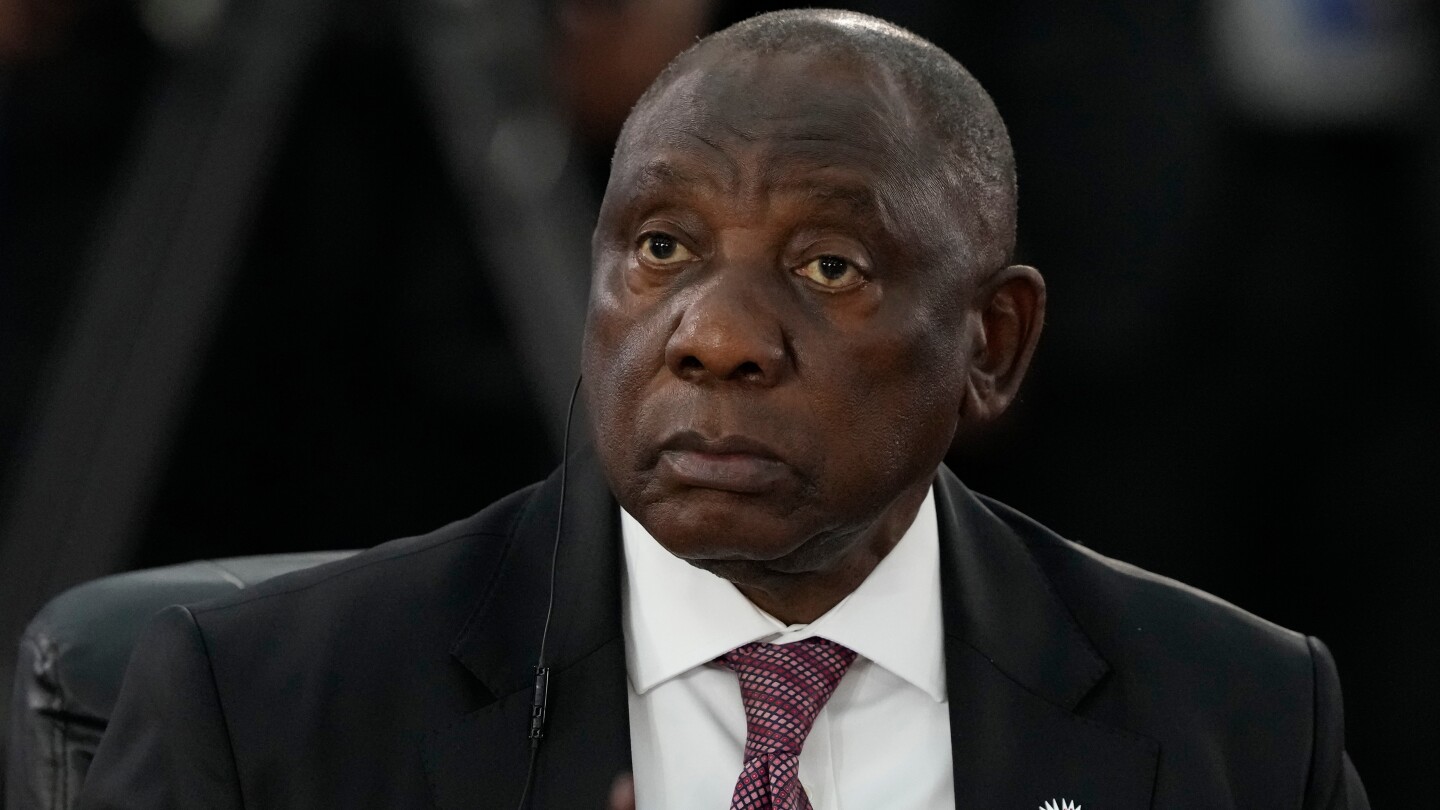
An investigation into claims that South Africa’s post-apartheid governments obstructed justice in prosecuting apartheid-era crimes faced an immediate setback on its opening day. The inquiry, ordered by President Cyril Ramaphosa in April following years of pressure from victims’ families, was delayed due to objections against Ishmael Semenya, the chief evidence leader. Critics argue that Semenya’s prior involvement in drafting a controversial prosecutorial policy, later deemed unconstitutional, compromises his impartiality. Judge Sisi Khampepe, overseeing the inquiry, has given the National Prosecuting Authority (NPA) and the justice department until Wednesday to formally request Semenya’s recusal. The proceedings are now set to resume on November 26. The inquiry stems from decades of frustration over the lack of prosecutions for crimes committed during apartheid, which officially ended in 1994. The Truth and Reconciliation Commission, established in 1996 by Nelson Mandela, identified around 150 cases for prosecution, but many perpetrators escaped accountability. Recent efforts by the government to address this legacy include new investigations into historical killings, such as the 1967 death of ANC leader Albert Luthuli, now confirmed as a beating rather than a train accident. Families of victims continue to seek justice, with some filing lawsuits against the government for damages and transparency.