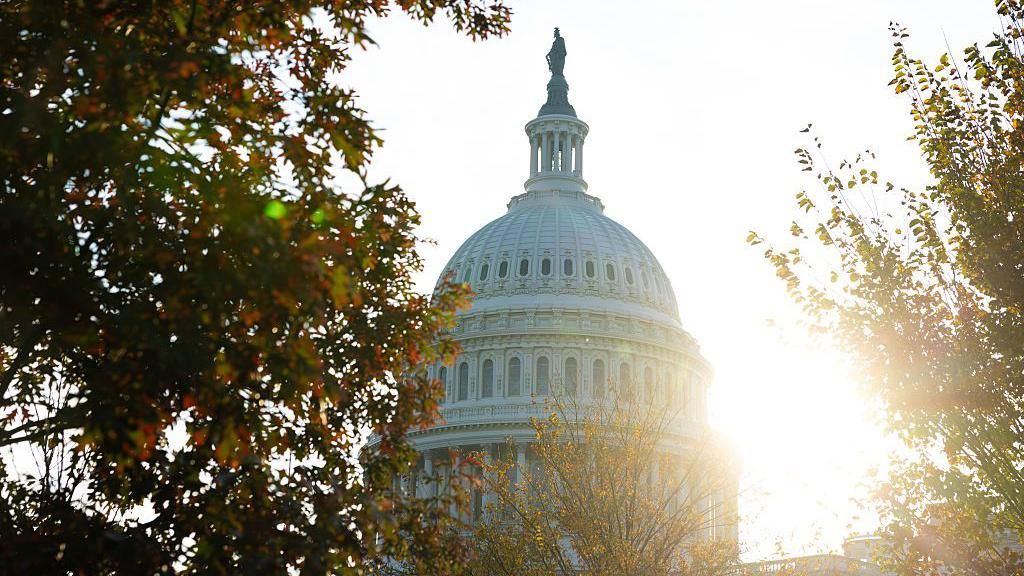
The longest government shutdown in U.S. history is finally approaching its conclusion following a bipartisan Senate vote to approve federal funding. This decision marks a significant turning point after weeks of political gridlock, which left hundreds of thousands of federal employees furloughed and disrupted essential services across the nation. With the government set to reopen, furloughed workers will return to their jobs and receive back pay, while national parks and food aid programs for low-income Americans will resume operations. Air travel, which had been severely impacted, is expected to stabilize. However, the political ramifications of this historic standoff are far from over. The shutdown exposed deep divisions within the Democratic Party, as centrists and at-risk senators broke ranks to support the Republican-led funding bill. This move has reignited tensions between the party’s progressive base and its centrist establishment, with many on the left viewing the compromise as a missed opportunity to challenge President Trump’s policies. Over the 40-day shutdown, Trump maintained a hardline stance, refusing to compromise with Democrats and instead focusing on international trips and personal engagements. While the White House agreed to roll back some workforce cuts and Senate Republicans promised a vote on health-insurance subsidies, critics argue that little was gained from the prolonged standoff. The temporary funding bill only extends government operations until the end of January, setting the stage for potential future clashes. As the midterm elections approach, both parties are likely to remain entrenched in their positions, ensuring that the political dynamics that fueled this shutdown will persist.