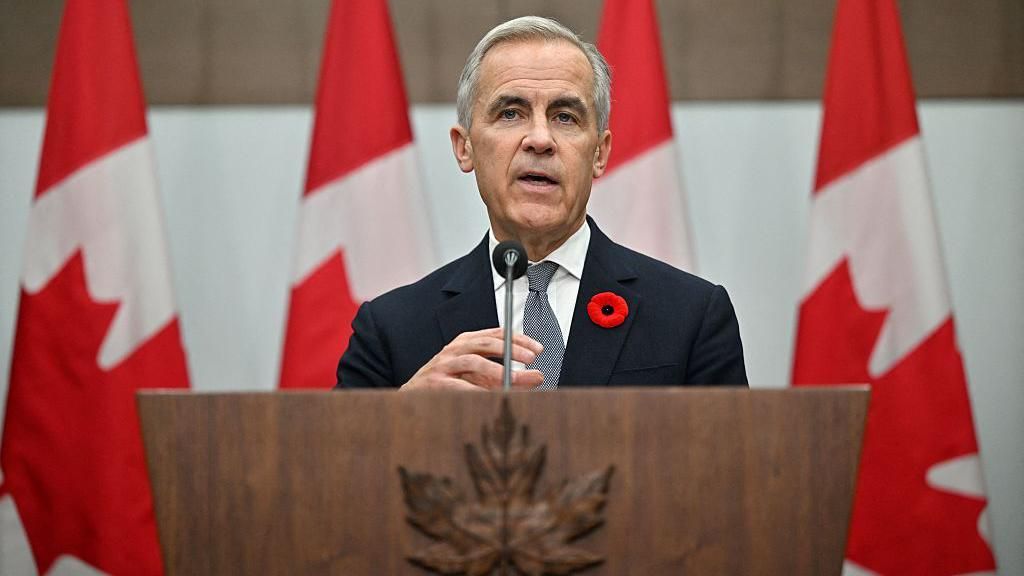
Prime Minister Mark Carney’s government has introduced its first federal budget, outlining a bold economic transformation plan to address the pressures of US tariffs and foster long-term growth. Dubbed an ‘investment budget,’ the fiscal blueprint increases Canada’s deficit to C$78 billion, up from C$51.7 billion, while aiming to attract C$1 trillion in investments over the next five years. Finance Minister François-Philippe Champagne presented the budget in the House of Commons, emphasizing the need for ‘bold and swift action’ during a period of profound change. The budget includes significant spending on infrastructure, defense, and artificial intelligence (AI), alongside cuts to the federal workforce and international aid. To counter US tariffs, which have already impacted sectors like steel, aluminum, and automobiles, the government plans to invest C$280 billion to enhance productivity, competitiveness, and resilience. This includes modernizing trade infrastructure and doubling exports to non-US markets. The budget also proposes C$30 billion in defense spending, aligning with NATO commitments, and nearly C$1 billion to advance AI integration. However, the plan faces political hurdles, as Carney’s Liberal government lacks a majority and requires support from other parties to pass the budget. Opposition leaders have expressed concerns over the deficit and austerity measures, raising the possibility of a federal election if the budget fails to gain approval.