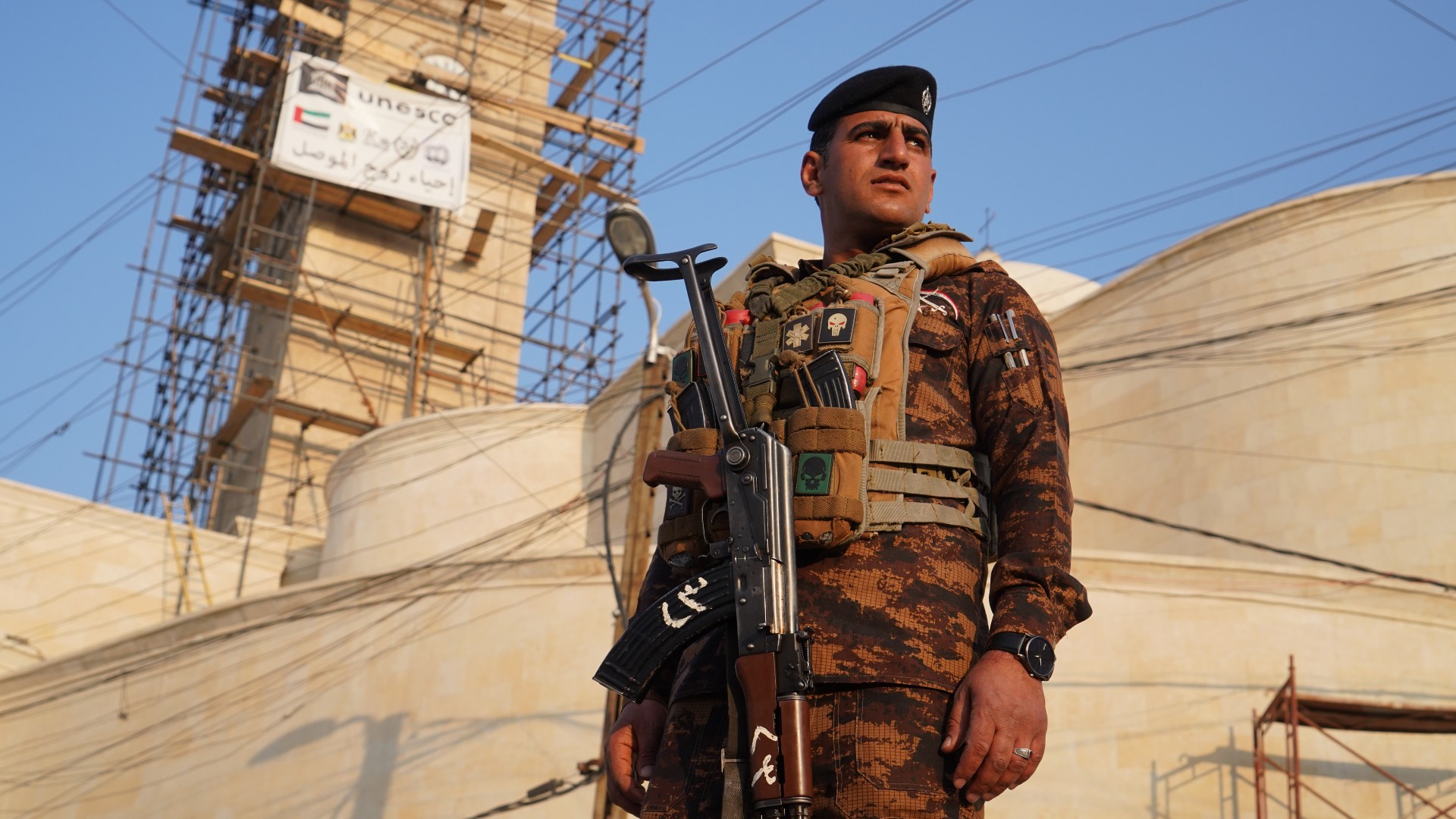
Two decades ago, on March 20, 2003, the United States and its allies launched a devastating military campaign against Iraq, marking the beginning of a conflict that would reshape the nation’s destiny. The invasion, initiated under the pretext of eliminating weapons of mass destruction (WMDs) allegedly harbored by Saddam Hussein, quickly escalated into a full-scale war. The ‘shock and awe’ strategy saw hundreds of missiles rain down on Baghdad, leaving the city in ruins and its citizens in chaos. Despite the swift overthrow of Saddam’s regime, the invasion unleashed a cascade of unintended consequences that continue to haunt Iraq today. The absence of WMDs, later confirmed, raised questions about the legitimacy of the war, while the power vacuum left in its wake fueled sectarian violence, insurgencies, and the rise of extremist groups like the Islamic State (IS). The invasion’s aftermath has been marked by widespread destruction, displacement, and a profound sense of loss among Iraqis. Cities like Mosul, once vibrant cultural hubs, remain scarred by years of conflict. The Christian community, which once thrived in Iraq, has dwindled significantly, with many fleeing persecution. Despite the fall of IS, the road to recovery remains fraught with challenges, as Iraqis grapple with the enduring legacy of a war that promised liberation but delivered devastation.
Iraq war: Twenty years after ‘shock and awe’, Mosul residents still picking up the pieces