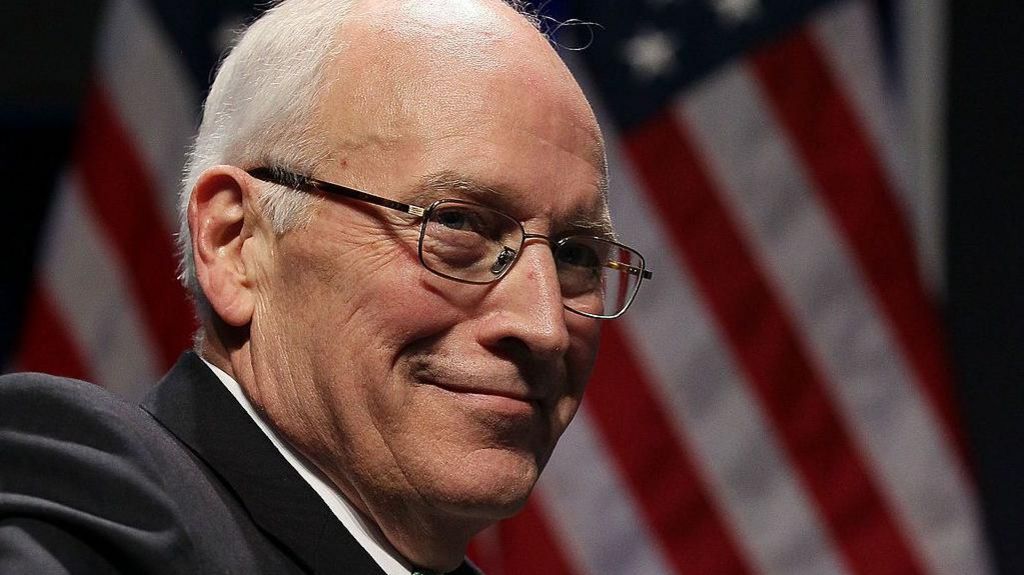
Dick Cheney, the former Vice President of the United States, passed away at the age of 84, leaving behind a legacy marked by immense influence, controversy, and unexpected evolution. Cheney’s career spanned decades, shaping pivotal moments in American history, from the Cold War to the post-9/11 era. Born in Lincoln, Nebraska, in 1941, Cheney’s early life was shaped by his family’s move to Wyoming, where he later pursued a career in politics. Despite a rocky start at Yale, he earned a Master’s degree in political science and began his ascent in Washington. Cheney’s political journey began in the 1970s under President Gerald Ford, where he served as White House Chief of Staff at just 34. His tenure in the House of Representatives during the 1980s solidified his reputation as a staunch conservative, supporting Reagan’s defense policies and opposing progressive measures. As Defense Secretary under George H. W. Bush, Cheney played a central role in the Gulf War, orchestrating Operation Desert Storm and reshaping U.S. military strategy. His return to public life as Vice President under George W. Bush marked the height of his influence. Cheney was a key architect of the ‘War on Terror,’ advocating for the invasions of Afghanistan and Iraq, and defending controversial interrogation techniques. Yet, his later years saw a dramatic shift. Cheney became a vocal critic of Donald Trump, condemning his presidency as a threat to democracy and even endorsing a Democratic candidate in 2024. His support for gay marriage, driven by his daughter’s sexuality, further alienated him from the Republican base. Cheney’s legacy is a complex tapestry of power, controversy, and unexpected transformation, leaving a lasting impact on American politics.