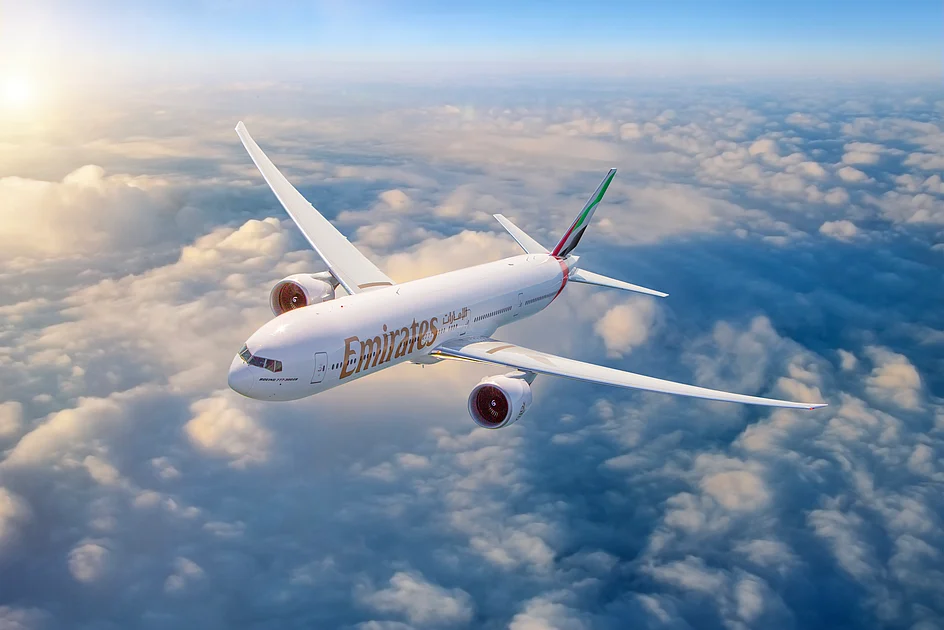
In the early 1980s, the Maldives was among the world’s poorest nations, with a fragile economy and minimal global presence. Today, it stands as a testament to transformation, with a tripled population, per capita income exceeding $18,000, and significant improvements in health, education, and life expectancy. A key driver of this success? Air connectivity. In 1987, Emirates launched biweekly flights to Malé, a bold move that unlocked the Maldives’ potential as a global tourism hub. Today, Emirates operates multiple daily flights, supporting a tourism sector that contributes nearly a third of the nation’s GDP. This story underscores the pivotal role of air links in economic development, particularly for small states. Airlines not only facilitate tourism but also attract investment, foster innovation, and reduce operational friction for international businesses. They enable students to study abroad, entrepreneurs to access new markets, and nations to integrate into the global economy. Antigua and Barbuda, a small island nation, recognizes this potential. Recent discussions with Emirates on potential air routes aim to deepen connectivity and economic opportunities. The nation has also signed bilateral air service agreements with Qatar and visa waiver agreements with several African countries, positioning itself as a hub between the Caribbean, the Middle East, and Africa. These efforts are part of a broader strategy to attract visitors, investment, and partnerships. However, as small states expand their air networks, they must balance growth with environmental responsibility. Emirates’ commitment to sustainable aviation fuel and cleaner technologies aligns with this vision, offering a model for sustainable development. Air connectivity is more than a logistical tool; it is a catalyst for transformation, unlocking potential and fostering resilience in small states.
For small states, air links can be the first step in welcoming international investment