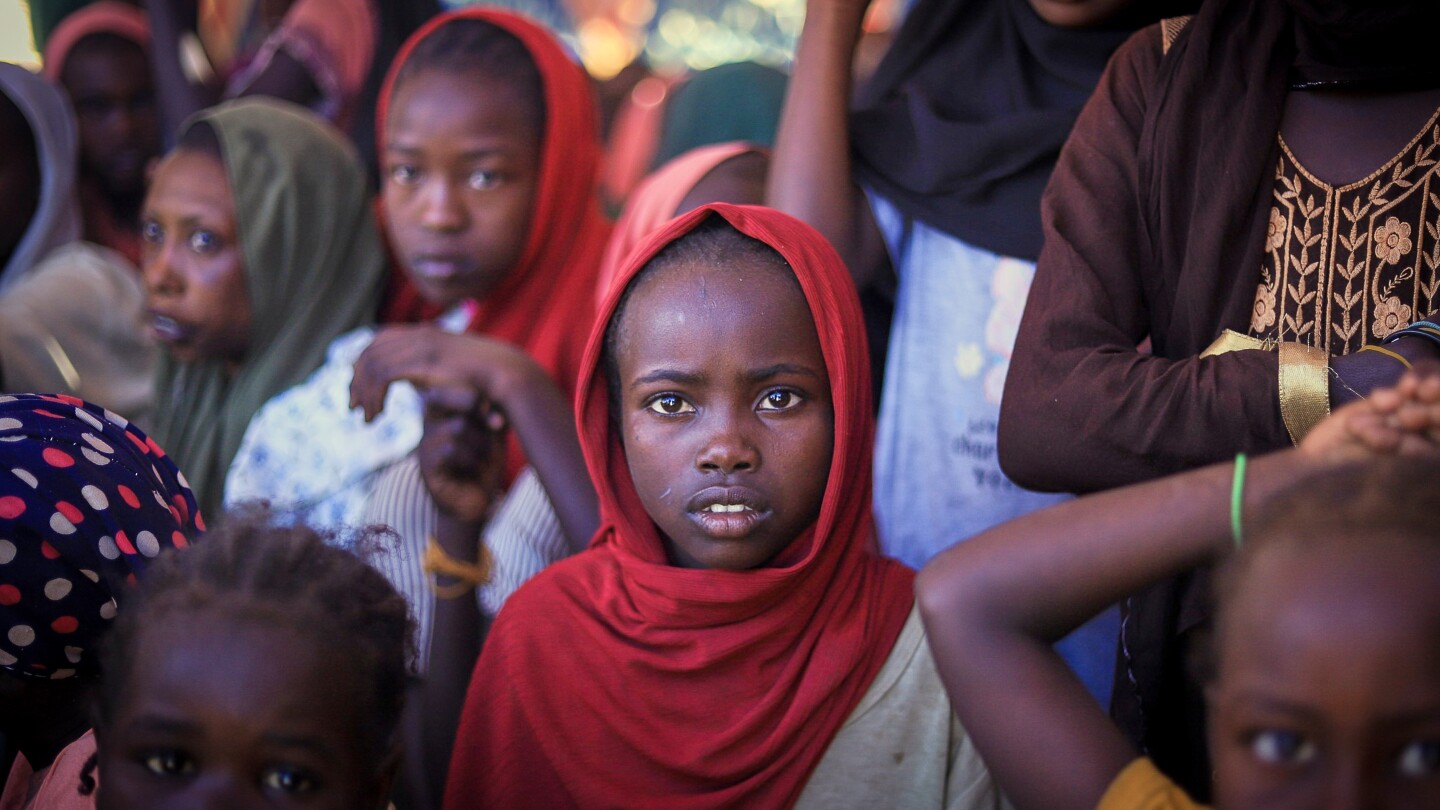
The war in Sudan has plunged the nation into an unprecedented humanitarian catastrophe, with famine now declared in two regions, including the besieged city of el-Fasher in Darfur, according to a report released Monday by the Integrated Food Security Phase Classification (IPC), the leading global authority on hunger crises. The IPC confirmed that famine has been detected in el-Fasher and Kadugli in South Kordofan, with 20 other areas in Darfur and Kordofan also at imminent risk. The conflict, which erupted in April 2023, has claimed over 40,000 lives, displaced more than 14 million people, and fueled widespread disease outbreaks. The Rapid Support Forces (RSF), a paramilitary group, has been accused of blockading el-Fasher for 18 months, severing food and supply lines to tens of thousands. Last week, RSF fighters seized the city, reportedly killing hundreds in violent attacks. Kadugli has also been under siege for months, trapping thousands as the RSF seeks to expand its territorial control. The IPC report highlights ‘extremely high levels of malnutrition’ and a ‘total collapse of livelihoods’ in these regions, with famine conditions meeting stringent criteria, including acute malnutrition affecting 30% of children under five. The IPC has confirmed famine only a few times in recent history, including in northern Gaza earlier this year and in Somalia and South Sudan in previous years. The report warns that towns near el-Fasher, such as Tawila, Melit, and Tawisha, are also at risk. As of September, 375,000 people in Darfur and Kordofan were pushed into famine, with 6.3 million across Sudan facing extreme hunger. While improved humanitarian access in Khartoum and surrounding areas has slightly reduced acute food insecurity, the IPC emphasizes that only a ceasefire can prevent further loss of life and mitigate the crisis.