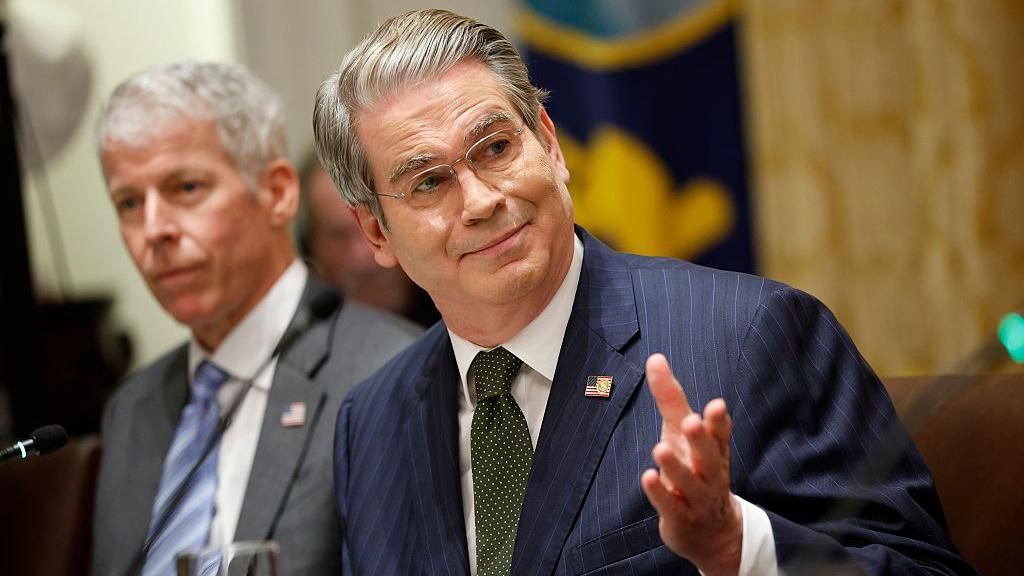
US Treasury Secretary Scott Bessent has emerged as the central figure in the Trump administration’s bold economic maneuvers, including global tariffs, trade negotiations with China, and now, a high-stakes intervention in Argentina. The US stepped in during September to stabilize the plummeting peso, fearing it could undermine President Javier Milei, a key Trump ally, in the midterm elections. The intervention included purchasing pesos and establishing a $20 billion currency swap line, bolstering Milei’s political standing and helping his party secure significant gains in the elections. However, the financial success of this intervention remains uncertain. Despite US efforts, the peso has fallen 30% this year, raising concerns about the sustainability of the strategy. Critics argue that the move contradicts the administration’s ‘America First’ policy, while Bessent defends it as a necessary step to prevent regional destabilization. Analysts warn that Argentina’s history of currency devaluation and debt default adds significant risk, and the peso’s artificial support may not be sustainable. The US Treasury has remained tight-lipped about key details, leaving questions about the long-term implications of this unprecedented gamble.