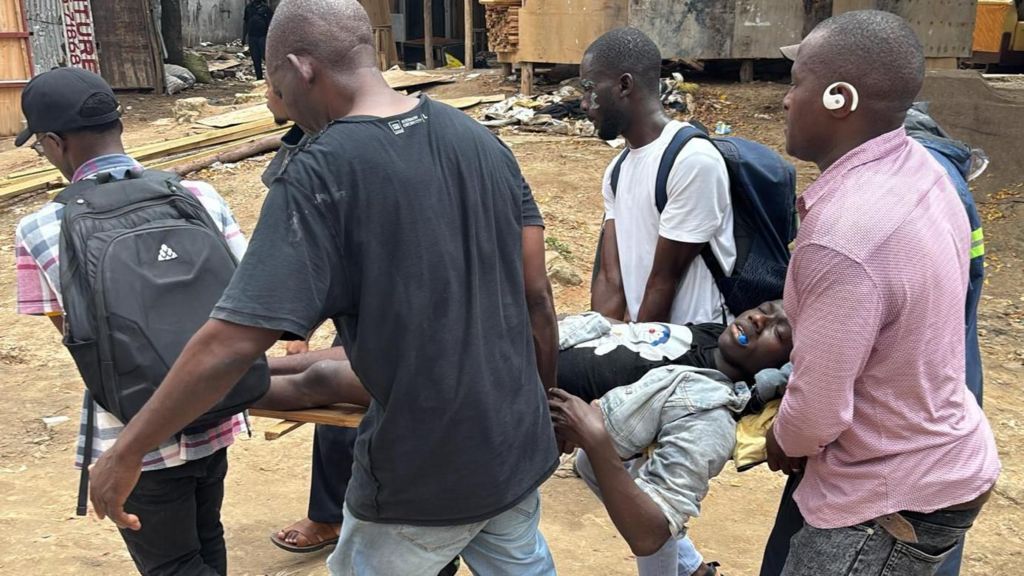
Tanzania’s recent elections have been marred by widespread violence, internet disruptions, and political unrest, leading to significant casualties and a tense atmosphere across the country. Protesters clashed with police on voting day, setting vehicles ablaze and damaging public infrastructure, as they accused the government of undermining democracy. The main opposition leader, Tundu Lissu, remains incarcerated on treason charges, while another key opposition figure, Luhaga Mpina, was disqualified from the presidential race, leaving President Samia Suluhu Hassan with a clear path to a second term. The government has ordered civil servants to work from home, and a night-time curfew has been imposed in Dar es Salaam, the nation’s largest city, where heavy security measures remain in place. Reports of deaths, including a civilian and a police officer, have drawn condemnation from rights groups like Amnesty International, which has called for an independent investigation into the police response. The US Embassy has confirmed that major routes, including the road to Dar es Salaam’s international airport, remain closed. Internet connectivity has been severely disrupted, raising concerns about the suppression of information and further escalation of tensions. President Samia, who assumed office in 2021 as Tanzania’s first female president, initially garnered praise for easing political repression but has since faced criticism for narrowing the political space and targeting critics through arrests and abductions. With vote counting underway, the electoral body is expected to announce results by Saturday, but the election has been widely seen as a foregone conclusion, given the absence of significant opposition.