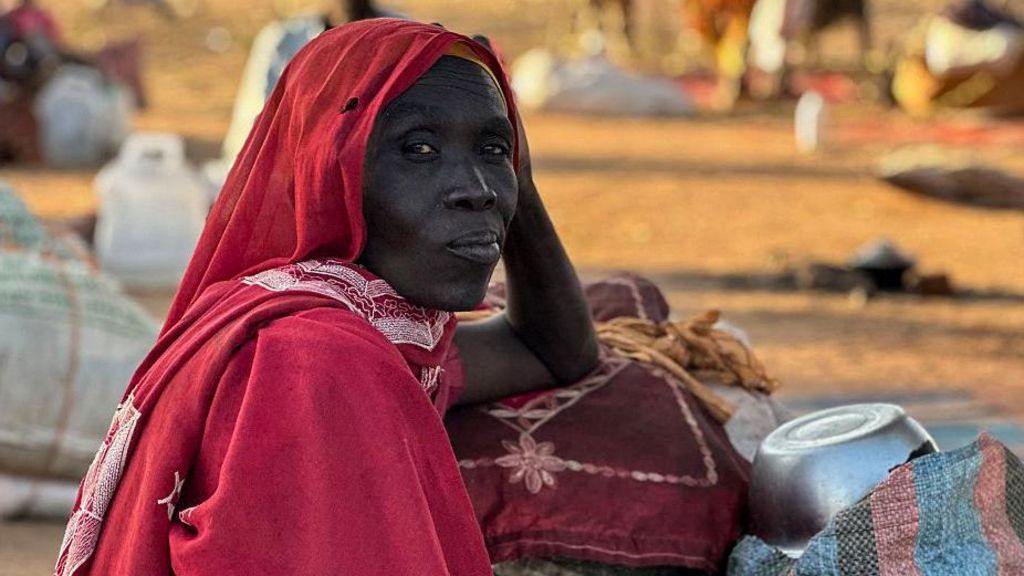
The Sudanese city of el-Fasher has become the epicenter of a brutal conflict, with emerging evidence of systematic killings prompting human rights activists to draw parallels to the Darfur genocide of the early 2000s. The Rapid Support Forces (RSF), a paramilitary group with roots in the Janjaweed militias, has been accused of ethnic violence and atrocities since its power struggle with the Sudanese army erupted in April 2023. The fall of el-Fasher after an 18-month siege has brought to light the layers of Sudan’s ongoing civil war, marked by echoes of its dark past and present-day brutality. Survivors recount tales of terror, including summary executions, looting, and indiscriminate shootings, while satellite images suggest massacre sites. The RSF leadership, including Gen Mohamed Hamdan Dagalo, has denied accusations of ethnic cleansing but admitted to ‘violations’ in el-Fasher. Despite promises of investigations, observers remain skeptical, citing unfulfilled pledges from past atrocities. The conflict has a clear ethnic dimension, with the RSF targeting the Zaghawa tribe and other non-Arab communities. Aid groups warn that without international intervention, the pattern of violence could escalate, drawing comparisons to historical genocides like Srebrenica. The international community faces mounting pressure to act, with activists urging accountability for those fueling the conflict, including the United Arab Emirates, accused of supporting the RSF.