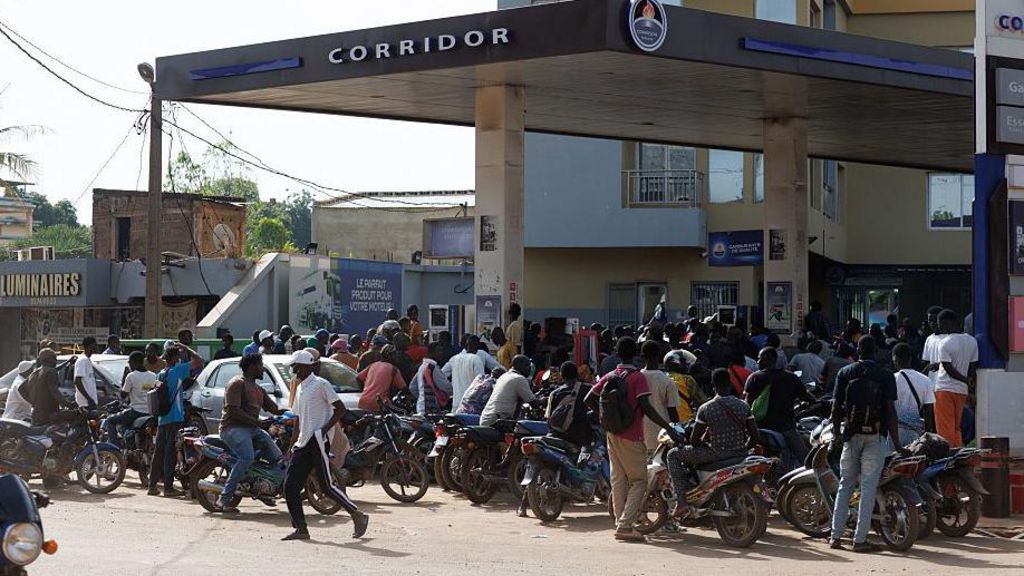
Mali has been plunged into a deepening crisis as schools and universities across the nation have been forced to suspend operations due to a severe fuel shortage. The disruption stems from a blockade on fuel imports imposed by Islamist insurgents, who have targeted tankers on major highways. Education Minister Amadou Sy Savane announced the suspension on state television, stating that all educational institutions will remain closed until November 9. The decision was made to address the logistical challenges faced by staff and students in commuting amid the fuel scarcity. The government has assured the public that it is working tirelessly to resolve the crisis and resume classes by November 10. The capital, Bamako, has been particularly hard-hit, with long queues forming at petrol stations and the city’s bustling streets now eerily quiet. Mali, a landlocked country, relies entirely on fuel imports from neighboring nations such as Senegal and Ivory Coast, making it vulnerable to such blockades. The military government, led by General Assimi Goïta, has struggled to contain the crisis despite earlier assurances that the fuel shortage was temporary. The situation has escalated to the point where the US Embassy in Bamako has evacuated non-essential diplomatic staff and their families, citing worsening fuel shortages and heightened security concerns. The embassy warned that the fuel disruptions could lead to unpredictable security challenges and have already impacted electricity supplies. Mali’s ongoing instability is rooted in a complex history of insurgency, with Islamist militants gaining control over large swathes of the north and east. The military junta, which seized power in a 2021 coup, initially enjoyed popular support for its promises to address the security crisis. However, the withdrawal of UN peacekeeping forces and French troops has left the government reliant on Russian mercenaries to combat the insurgency, with limited success. The current fuel blockade underscores the persistent threat posed by jihadist groups and the broader challenges facing Mali’s fragile governance.