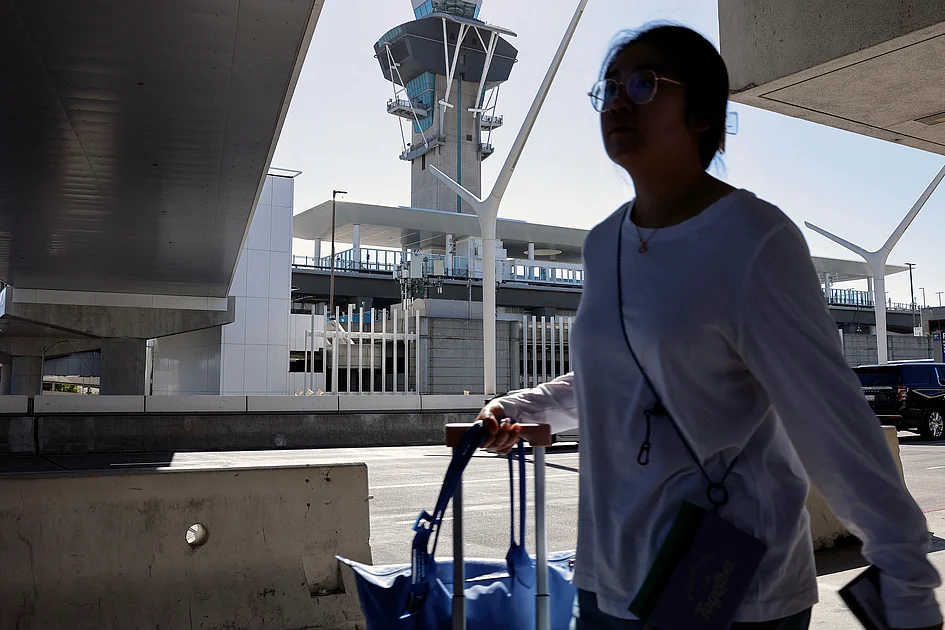
Starting December 26, the United States will enforce stricter border control measures, significantly expanding the use of facial recognition technology to monitor non-citizens entering and exiting the country. This initiative, detailed in a government document released on Friday, aims to address visa overstays and passport fraud. Under the new regulation, border authorities will have the authority to photograph non-citizens at airports, seaports, land crossings, and other departure points, building upon an earlier pilot program. Additionally, the regulation permits the collection of other biometric data, such as fingerprints or DNA, and extends facial recognition requirements to children under 14 and elderly individuals over 79, groups previously exempted. This move aligns with President Donald Trump’s broader strategy to curb illegal immigration, which includes increased resources for securing the US-Mexico border and efforts to reduce visa overstays. However, the growing reliance on facial recognition has sparked privacy concerns, particularly regarding potential overreach and inaccuracies. A 2024 report by the US Commission on Civil Rights highlighted that facial recognition technology is more prone to misidentifying Black people and other minority groups. The Congressional Research Service estimated in 2023 that approximately 42% of the 11 million undocumented immigrants in the US had overstayed their visas. While the US Congress mandated the creation of an automated entry-exit system in 1996, it has yet to be fully implemented. Currently, US Customs and Border Protection uses facial recognition for all commercial air entries but only records exits at select locations. The agency anticipates that a comprehensive biometric entry-exit system could be operational at all commercial airports and seaports within the next three to five years.
Tighter border control rules in the US starting December 26; what to expect