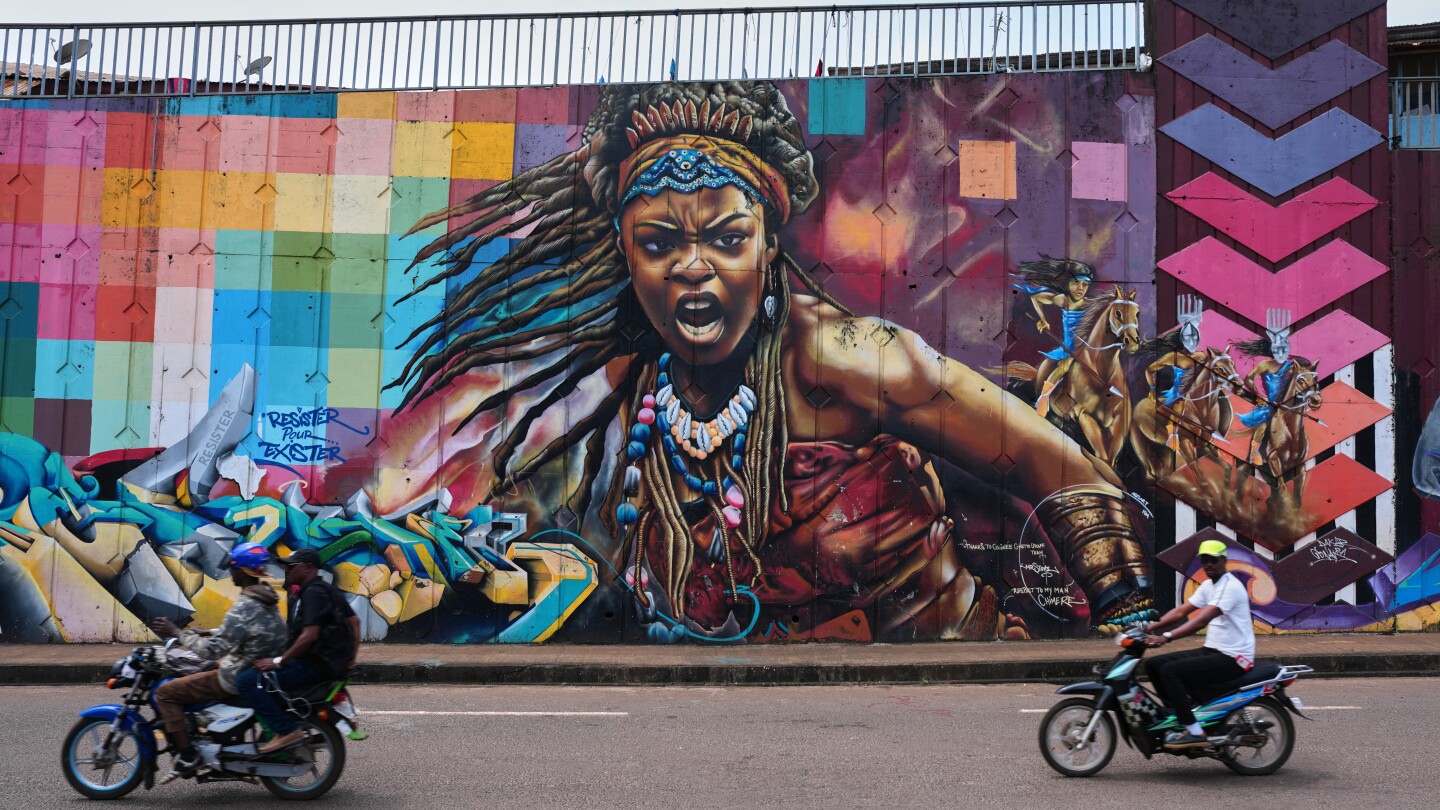
In the bustling streets of Conakry, Guinea, graffiti artist Omar Diaw, known by his alias “Chimere,” is redefining urban art. Once dismissed as vandalism, graffiti has now become a powerful medium for public awareness and cultural expression in the city. Diaw, who moved to Guinea from Senegal in 2018, found a blank canvas in Conakry, where street art was virtually nonexistent. Over the years, his vibrant murals have transformed the city’s concrete-heavy landscape, featuring larger-than-life portraits of Guinean musicians, African independence leaders, and even the country’s military ruler, General Mamadi Doumbouya. Diaw’s approach has been strategic and inclusive. By aligning his art with public campaigns, such as raising awareness about COVID-19, he has won over both the public and authorities. His graffiti collective, Guinea Ghetto Graff, has left its mark across the city, turning walls into storytelling canvases. The art form, which originated in the U.S. and arrived in West Africa via Senegal in the late 1980s, has evolved to reflect African realities and values. Today, graffiti in Guinea and Senegal is not just art but also a tool for political messaging and social commentary. Diaw’s work has garnered widespread admiration, with locals praising its ability to preserve history and reshape urban spaces. As the movement grows, there is a push for greater inclusivity, with calls for more women to join the graffiti scene and contribute to this transformative art form.
‘Our reality, our values’: Graffiti finds growing acceptance in West Africa