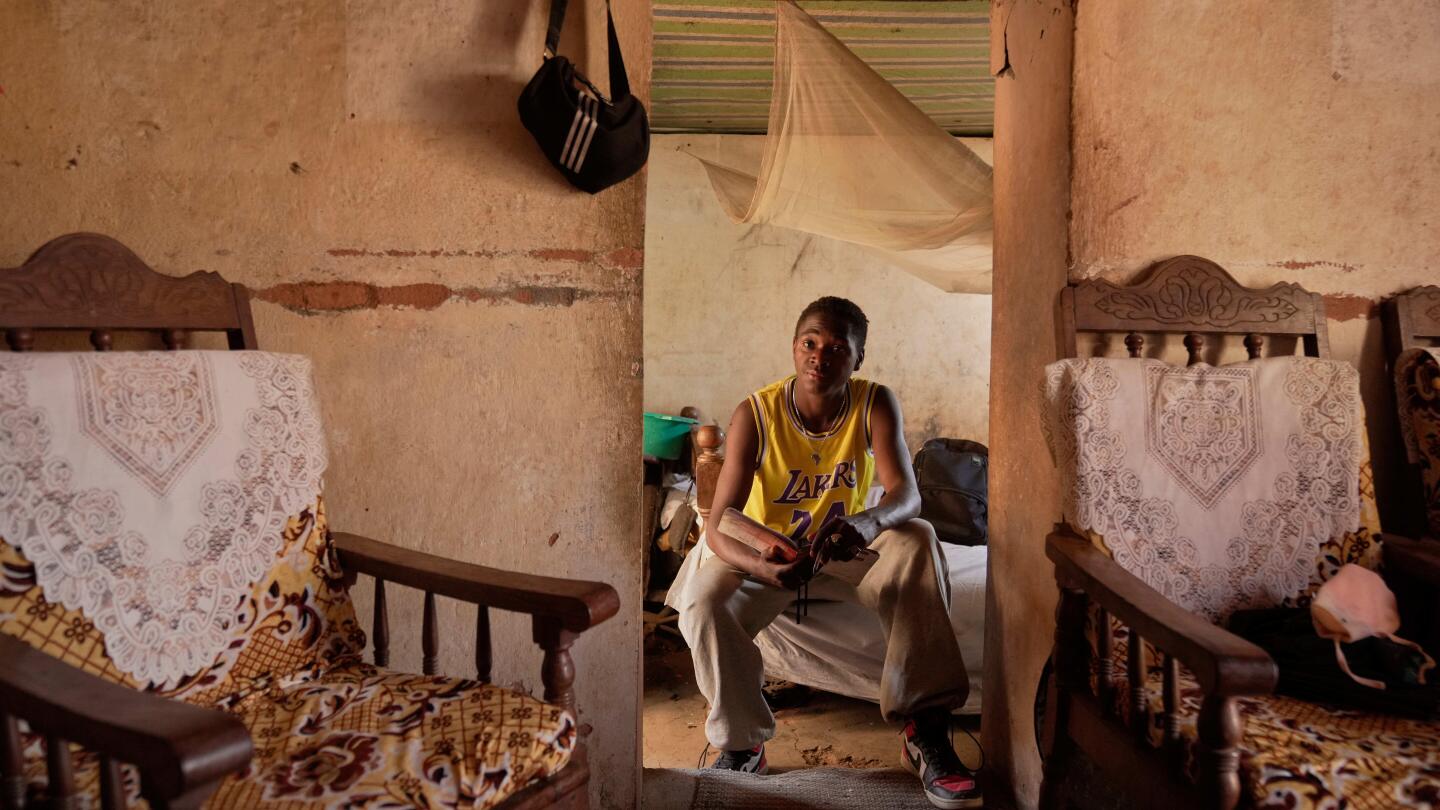
In the wake of Madagascar’s recent military coup, led by Colonel Michael Randrianirina, the young protesters who fueled the uprising are yet to see tangible improvements in their daily lives. Donah Falia, a 20-year-old accounting student, continues to endure long waits for water and faces a bleak job market, reflecting the persistent challenges in the capital, Antananarivo. Despite the overthrow of democratically elected President Andry Rajoelina, the youth remain skeptical about the new regime’s ability to address their grievances. Randrianirina’s rise to power follows a familiar pattern in Madagascar’s post-colonial history, echoing similar military takeovers across Africa in recent years. While many celebrated the end of Rajoelina’s rule, the protesters’ demands for better living conditions, employment, and utility access remain unmet. The coup, which began with mass protests in September, saw security forces crack down harshly, resulting in casualties. Randrianirina’s CAPSAT unit eventually sided with the demonstrators, forcing Rajoelina to flee. The youth, inspired by global Gen Z movements, rallied around symbols of change but now face uncertainty about the new government’s commitment to their cause. Experts warn that military regimes often fail to address systemic issues like corruption and poverty, raising doubts about Randrianirina’s long-term effectiveness. The youth, however, remain vigilant, vowing to hold the new government accountable if their demands are ignored.
Youth who led Madagascar protests hope coup leader will continue to hear them as president