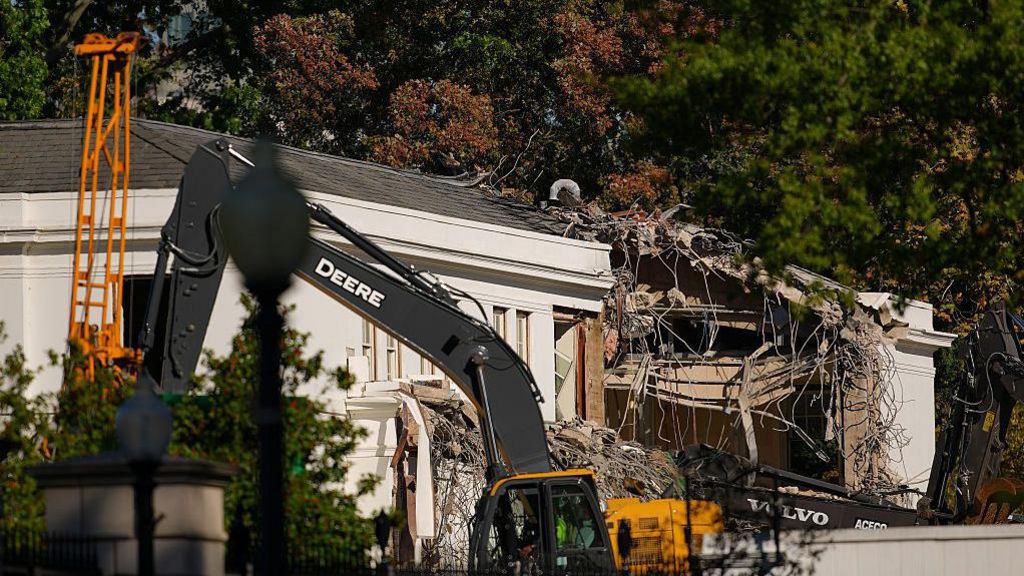
Construction of a lavish $250 million White House ballroom, personally funded in part by former President Donald Trump, commenced on October 20, sparking widespread debate over the ethics of its financing. The 90,000-square-foot project, set to replace portions of the East Wing, has drawn scrutiny due to the involvement of undisclosed wealthy donors and corporations. Trump has claimed that significant portions of the construction costs will be covered by anonymous contributors, with some reportedly pledging over $20 million. Legal experts, including Richard Painter, former chief ethics lawyer for the Bush administration, have raised alarms, labeling the project an “ethics nightmare” and suggesting it could facilitate a “pay-to-play” scheme, where donors gain access to the administration in exchange for financial support. A recent donor dinner at the White House featured executives from major companies like Blackstone, Microsoft, and Google, as well as prominent figures such as Woody Johnson and the Glazer family. While YouTube has been revealed as a $22 million contributor, the identities of other donors remain undisclosed. The funds are reportedly managed by the Trust for the National Mall, a non-profit organization. Critics argue that the project could set a dangerous precedent for political fundraising, though the White House maintains that the ballroom will serve future administrations and is a necessary upgrade for hosting state events. Despite these assurances, concerns persist about the potential for undue influence and the erosion of ethical boundaries in political financing.