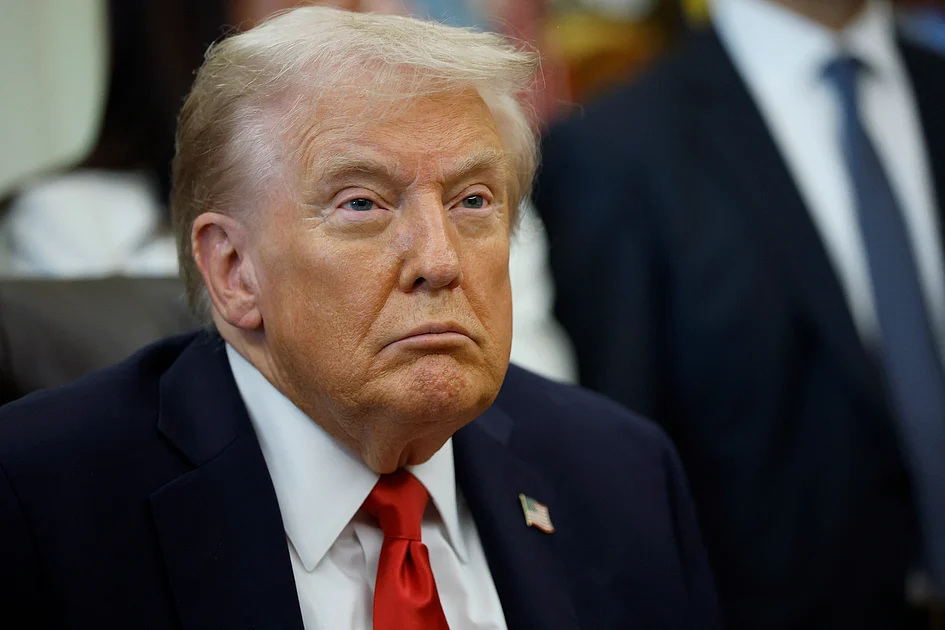
A pivotal international agreement aimed at reducing maritime emissions has been postponed for a year following strong opposition from the United States. The decision, which came during a vote at the International Maritime Organization (IMO) in London, highlights deepening divisions between oil-producing nations and their counterparts. The IMO, a United Nations body overseeing global shipping, had initially proposed a global carbon pricing system in April to curb greenhouse gas emissions. However, the vote to formalize this plan was delayed after U.S. President Donald Trump threatened sanctions against countries supporting the initiative. Trump criticized the proposed carbon tax as a ‘scam,’ reinforcing his administration’s pro-fossil fuel stance. The U.S. withdrawal from IMO negotiations in April set the stage for this week’s contentious discussions, which culminated in a hastily arranged resolution to postpone the vote, passing 57 to 49. Major oil producers like Russia, Saudi Arabia, and the United Arab Emirates joined the U.S. in opposing the measure, citing economic and food security concerns. IMO Secretary-General Arsenio Dominguez expressed disappointment, urging delegates to avoid repeating the week’s chaotic proceedings. The International Chamber of Shipping, representing over 80% of the global fleet, also voiced frustration, emphasizing the need for clarity to drive investments in decarbonization. The proposed Net Zero Framework (NZF) would require ships to reduce carbon emissions progressively from 2028, with financial penalties for non-compliance. Shipping accounts for nearly 3% of global greenhouse gas emissions, and the carbon pricing plan aims to incentivize the use of cleaner fuels. The Philippines and Caribbean nations, heavily reliant on maritime industries, would face significant impacts from U.S. visa restrictions and sanctions. Despite the setback, supporters like the European Union, China, and Brazil reaffirmed their commitment to the NZF. Pacific Island states, initially hesitant, were expected to back the plan this time. If adopted, the global emissions pricing system would be challenging to evade, as IMO conventions allow signatories to inspect and detain non-compliant vessels.