The first 100 days of Donald Trump’s second administration have been marked by significant upheaval, yet one policy remains steadfast: the construction of a regional defense architecture aimed at deterring Chinese aggression. However, this strategy faces challenges due to collateral damage from the administration’s foreign policy shifts, particularly its embrace of tariffs and skepticism toward traditional alliances.
During Trump’s first term (2017-2021), US policy toward China hardened as Washington concluded that deep economic engagement had failed to liberalize or pacify Beijing. Instead, China under Xi Jinping grew more authoritarian domestically and assertive internationally. The pandemic further highlighted America’s reliance on Chinese supply chains, prompting Trump to label China as an adversary rather than a partner. Tariffs were imposed on Chinese imports, and efforts began to reroute global supply chains away from China. Simultaneously, Trump criticized US alliances, arguing that allies benefited disproportionately from American protection.
Trump’s foreign policy diverged sharply from post-war norms, rejecting American exceptionalism and liberal values while expressing admiration for authoritarian leaders like Xi Jinping, Vladimir Putin, and Kim Jong Un. He prioritized tariffs over free trade and questioned the value of US global commitments, particularly in Europe and Asia.
President Joe Biden (2021-2025) extended some of Trump’s tariffs on China and restricted Chinese access to advanced technology. However, Biden reversed Trump’s alliance skepticism, reaffirming the strategic value of US partnerships. In contrast, Trump’s second administration has doubled down on tariffs and disdain for alliances, implementing these policies with unprecedented intensity.
The global impact of Trump’s tariffs is significant, with most countries now facing a 10% tariff on US imports, up from an average of 2.5% in 2024. The threat of higher ‘reciprocal tariffs’ looms, potentially taking effect as early as May. Additionally, the US has effectively abandoned NATO, antagonizing Western Europe and Canada while accommodating Russia despite its aggression in Ukraine.
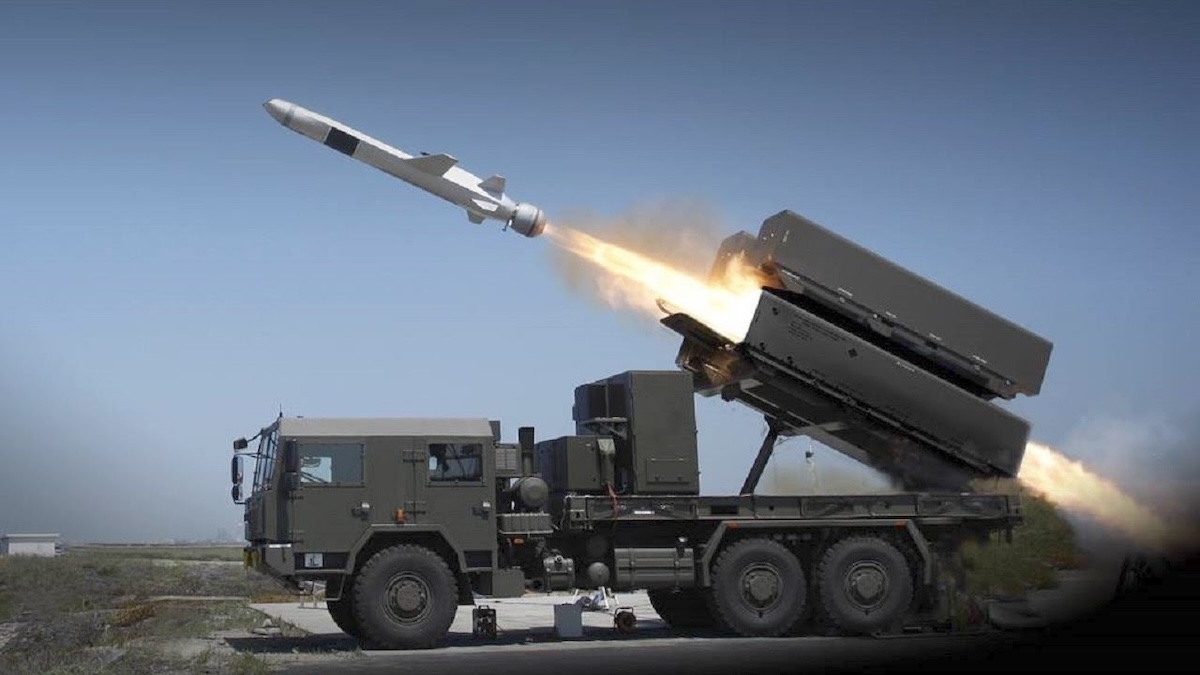
In the Asia-Pacific region, the Pentagon’s agenda to counter China has continued largely uninterrupted. US Secretary of Defense Pete Hegseth’s March trip to Japan and the Philippines underscored efforts to strengthen military cooperation. In Japan, the US plans to enhance joint training and weapon development, while upgrading its military headquarters to a command post. In the Philippines, Hegseth reaffirmed the US-Philippine defense treaty’s coverage of the South China Sea, where Chinese harassment of Philippine vessels has escalated. The US also announced plans to co-produce military systems and deploy advanced sea drones and anti-ship missiles in the Philippines.
The AUKUS agreement, which aims to provide Australia with nuclear-powered submarines, remains on track despite uncertainty over Trump’s support. While Australia has committed $3 billion to the initiative, Trump’s apparent unfamiliarity with the agreement raises doubts about its future.
Meanwhile, Trump’s tariffs have strained relations with key allies like Japan and South Korea, both of which face additional tariffs and pressure to increase defense spending. Despite their contributions to US military bases, Trump has criticized these countries as ‘free-riders,’ further complicating alliances.
In Australia, Trump’s policies have eroded confidence in US reliability. Tariffs on Australian exports, despite a US trade surplus with the country, have fueled disillusionment. While Australian leaders have resisted Chinese overtures to align against the US, the damage to the US-Australia relationship is evident.
In summary, Trump’s second administration has intensified its focus on tariffs and alliance skepticism, creating friction with traditional partners while pursuing a counter-China strategy. The challenge lies in reconciling ‘America First’ policies with the need for a cohesive Asian security architecture. Until this balance is achieved, these conflicting priorities will continue to undermine US foreign policy objectives.