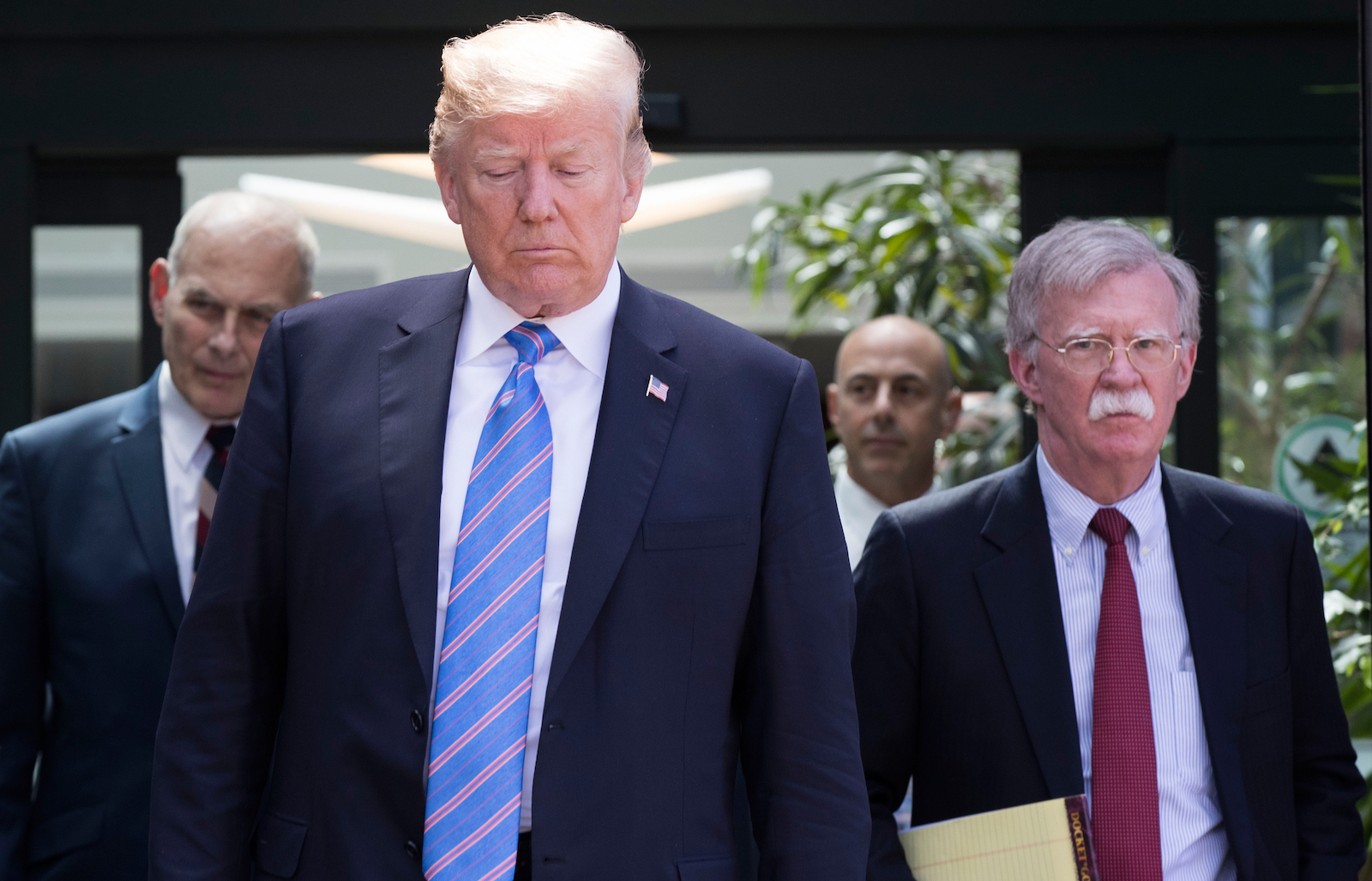
President Donald Trump’s first 100 days back in the White House, marked on April 29, have been a whirlwind of bold initiatives and polarizing policies. Historically, this period serves as a litmus test for a leader’s priorities and governing style, offering a window into their political momentum. Trump has seized this opportunity with characteristic vigor, pushing forward on border enforcement, sweeping subsidy cuts, protectionist trade measures, and a radical overhaul of U.S. foreign policy. While his administration has secured early victories in some areas, global flashpoints like the war in Ukraine and the conflict in Gaza remain unresolved. If progress stalls, Trump may pivot to other arenas, such as re-engaging with North Korea, which has been largely dormant on Washington’s radar. In an interview with Asia Times, former U.S. National Security Advisor John Bolton critiqued Trump’s approach, highlighting failures in achieving a Ukraine ceasefire and the potential economic fallout from Trump’s tariffs. Bolton also expressed skepticism about the prospects of meaningful progress in Ukraine ceasefire talks, citing irreconcilable differences between the parties. He warned of Putin’s long-term ambitions to recreate the Russian Empire, emphasizing the need for robust security guarantees for Ukraine. On North Korea, Bolton cautioned against premature engagement, stressing the importance of aligning with South Korea’s political landscape. He also dismissed the notion of Trump accepting a nuclear North Korea, reaffirming the U.S. commitment to denuclearization. As Trump’s administration navigates these complex geopolitical challenges, the world watches closely to see how his policies will shape the future of international relations.