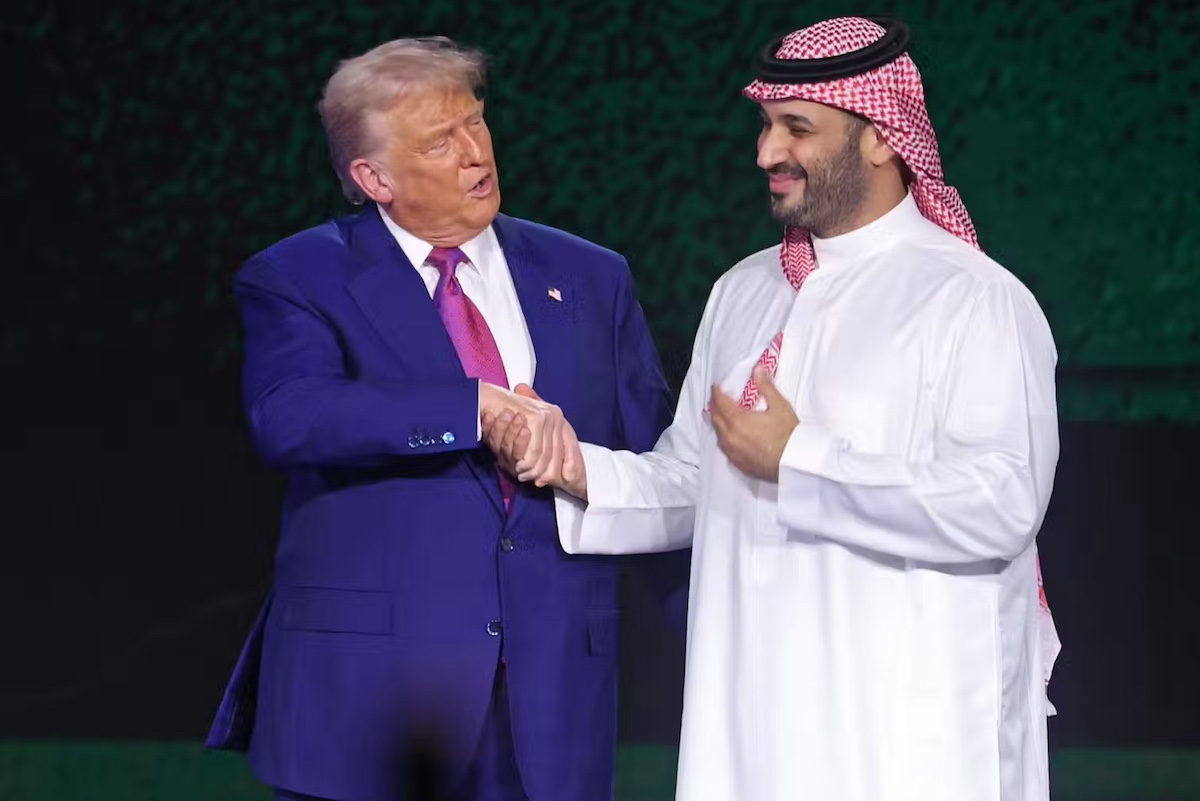
In a recent diplomatic event at the White House, former US President Donald Trump oversaw the signing of a peace agreement between Armenia and Azerbaijan, ending a nearly 40-year conflict. The deal grants the US exclusive rights to develop a transit corridor through southern Armenia, linking Azerbaijan to its exclave of Nakhchivan. This corridor, dubbed the ‘Trump Route for International Peace and Prosperity,’ exemplifies Trump’s transactional foreign policy, which prioritizes commercial opportunities over shared values and institutional frameworks. Trump’s approach marks a significant departure from traditional US foreign policy, as it operates outside institutional constraints and targets democratic allies, often exploiting American power for personal gain. Historically, US presidents have employed transactional strategies, such as Theodore Roosevelt’s interventions in Latin America and Harry Truman’s foreign aid policies during the Cold War. However, Trump’s methods resemble those of authoritarian leaders, with minimal congressional or judicial oversight, and policies shaped by personal whims rather than institutional consistency. This approach has strained relationships with democratic allies while fostering closer ties with authoritarian regimes. Trump’s foreign policy also prioritizes domestic political enemies over traditional adversaries, as seen in his gutting of institutions like USAID and the State Department. Furthermore, Trump has exploited foreign policy for personal gain, receiving gifts from foreign governments and securing lucrative deals for his family businesses. While Trump’s deals may yield short-term benefits, such as the Armenia-Azerbaijan peace agreement, his undemocratic approach undermines long-term global stability and institutional competence. This shift in American leadership raises concerns about the future of US foreign policy and its impact on international relations.