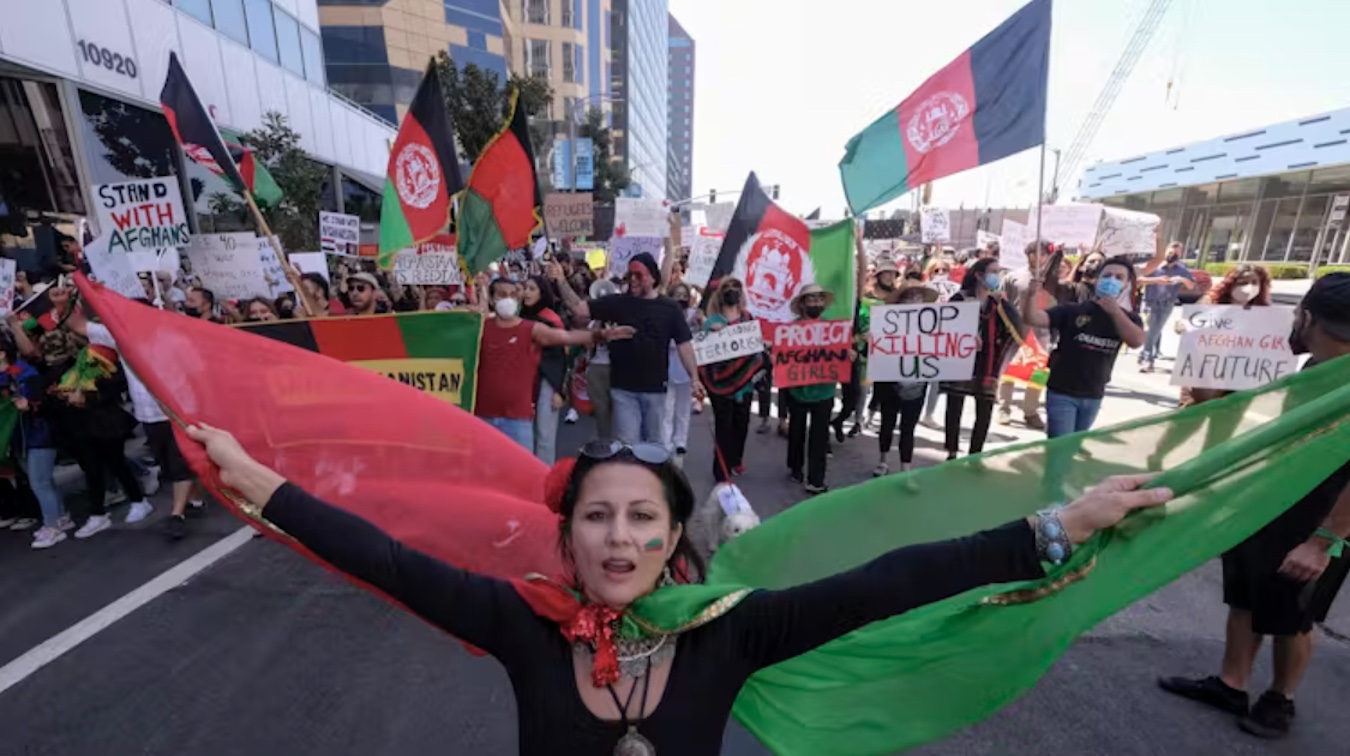
Thousands of Afghan nationals residing in the United States are grappling with an uncertain future following a federal appeals court ruling on July 21, 2025, which upheld the Trump administration’s decision to terminate the Temporary Protected Status (TPS) program for Afghans. This program, which provided work permits and protection from deportation, was initially granted in 2022 after the Taliban regained control of Afghanistan in late 2021. The Taliban’s oppressive regime, which enforces a strict interpretation of Islamic law, has banned women and girls from education and employment, creating a humanitarian crisis that justified the TPS designation. However, in May 2025, Homeland Security Secretary Kristi Noem announced the termination of TPS for Afghans, citing improved security and economic stability in Afghanistan. This decision affects approximately 8,000 Afghan TPS holders, many of whom fled due to fears of persecution by the Taliban, including former government employees, women’s rights advocates, and those who collaborated with the U.S. military. Experts argue that the termination is unlikely to result in voluntary repatriation, as the threat of persecution remains a significant concern. Instead, it may force thousands into unlawful residency, limiting their access to employment, healthcare, and financial stability. Many Afghans are expected to seek asylum, but the U.S. asylum system is already overwhelmed, with a backlog of 1.5 million applications and wait times of up to six years. This situation leaves Afghan TPS holders in a precarious position, with limited legal pathways to remain in the U.S. and support their families both in the U.S. and Afghanistan.