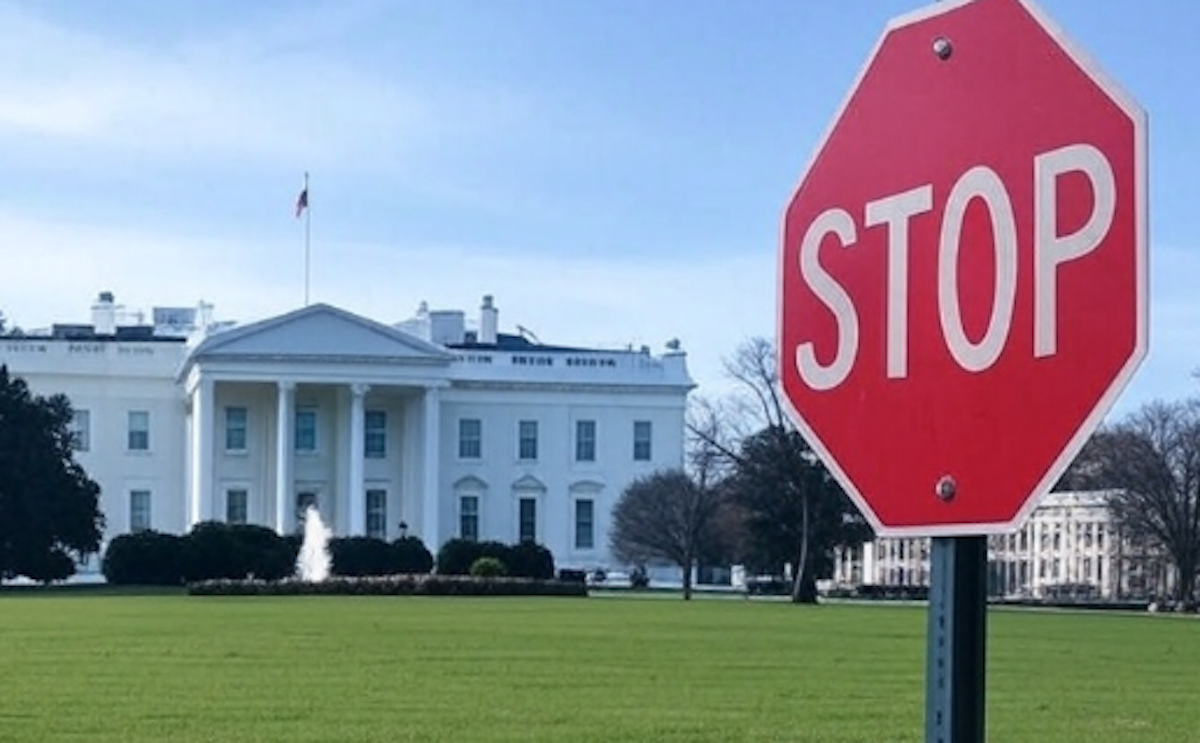
The ongoing US government shutdown has placed federal workers in a precarious position, with hundreds of thousands furloughed without pay. This disruption comes at a time when the federal workforce has already seen significant reductions, with over 300,000 jobs lost this year due to the Trump administration’s efforts to streamline government operations. While back pay is guaranteed, the immediate financial strain on employees is undeniable, and the long-term effects on morale and workforce stability are profound.
Research based on the 2013 shutdown reveals that such events have lasting negative impacts. Employees exposed to furloughs were 31% more likely to leave their jobs within a year, leading to a sustained decline in workforce numbers. This exodus forces agencies to rely on costly temporary workers, resulting in measurable declines in critical functions such as payment accuracy, legal enforcement, and patenting activity.
The loss of human capital is particularly pronounced among young, female, and highly educated professionals, who often have more external opportunities. Survey data from the 2018-2019 shutdown confirms that morale, rather than financial loss, drives these departures. Employees report diminished agency, control, and recognition, which significantly increases their likelihood of leaving.
Policy implications are significant. While some argue that shutdowns serve as a necessary reduction in government size, the evidence suggests otherwise. Agencies spend billions more on contractors to fill gaps, and government performance suffers, with inaccurate payments and reduced productivity costing taxpayers hundreds of millions of dollars.
Shutdowns are blunt instruments that demoralize the workforce and erode public trust in government efficiency. As the federal workforce faces another period of uncertainty, the broader implications for government accountability and service delivery remain a pressing concern.