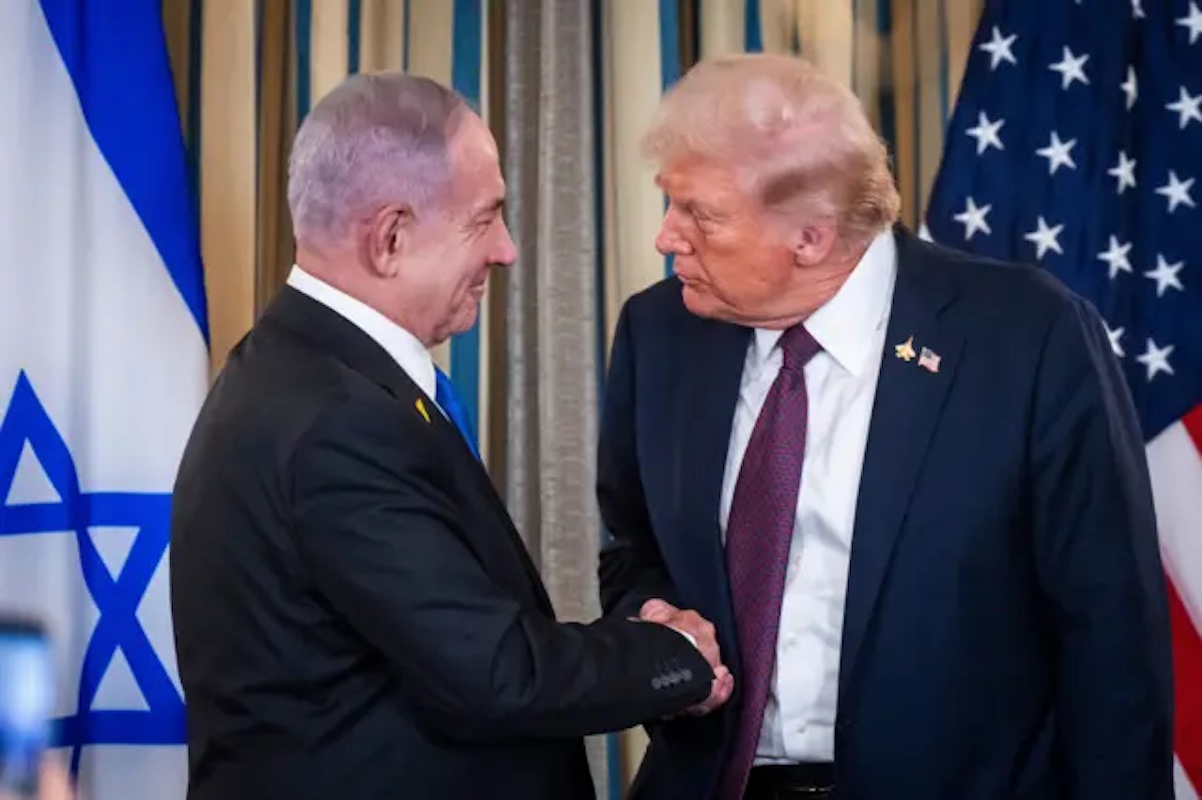
A potential resolution to the prolonged Middle East conflict appears on the horizon as Israeli Prime Minister Benjamin Netanyahu endorses US President Donald Trump’s proposed peace plan for Gaza. While the plan’s success remains uncertain due to its incomplete details and pending implementation, it has garnered significant attention for its potential to reshape the region’s political landscape. The US has strategically engaged key Muslim nations, including Turkey, Saudi Arabia, Qatar, Pakistan, and Indonesia, signaling the emergence of a new peace framework. This initiative could bolster America’s global influence, particularly in Asia, where its recent actions have been perceived as inconsistent. Notably, Russia and China have been excluded from the process, marking a significant shift in a region critical to their strategic and economic interests. The plan’s success hinges on US and Israeli leadership, underscoring America’s historical advantage over its geopolitical rivals. However, challenges persist, including rising antisemitism, the ongoing Ukraine conflict, and delicate diplomatic balances, particularly between India and Pakistan. The agreement’s implementation remains fraught with complexities, but its potential to redefine Middle Eastern geopolitics cannot be overlooked.