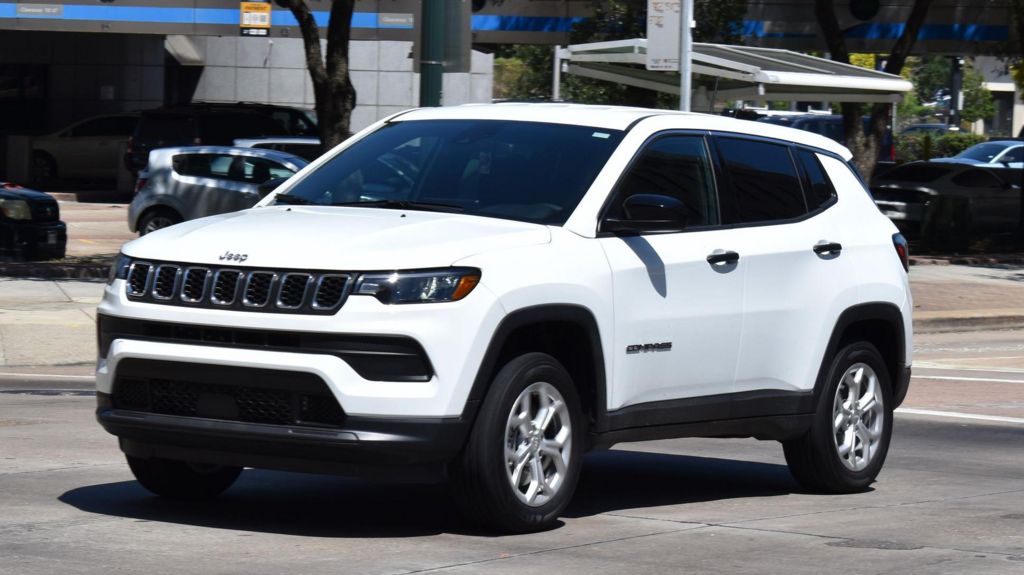
The Canadian government has issued a stern warning to global automotive giant Stellantis, threatening legal action over its decision to relocate the production of the Jeep Compass from Ontario, Canada, to its Illinois plant in the United States. This move comes as part of Stellantis’ $13 billion investment in the US, aimed at bolstering its manufacturing capabilities and creating more American jobs. However, Canada’s Industry Minister, Mélanie Joly, has accused the company of reneging on a ‘legally binding’ commitment to maintain operations in Brampton, Ontario, in exchange for substantial financial support from the Canadian government. Joly emphasized that the government would ‘exercise all options, including legal’ to ensure the agreement is honored. In a letter to Stellantis CEO Antonio Filosa, Joly highlighted the billions of dollars Canada had invested in the company, warning that the relocation could jeopardize the future of the Brampton factory. Filosa, in a statement, described the investment as the largest in the company’s history, focusing on growth and strengthening the US manufacturing footprint, but notably omitted any mention of its Canadian operations. Joly countered by reminding Stellantis of the strong partnership between the company and the Canadian government, recalling how Canada had supported the company during its near-bankruptcy in 2009. Prime Minister Mark Carney also expressed concern, stating that the government is working to protect Stellantis employees in Brampton and explore new local opportunities for them. Stellantis, which owns 14 car brands including Jeep, Alfa Romeo, and Chrysler, operates manufacturing plants across the US, UK, Europe, Canada, Mexico, and South America. The company has previously cited the impact of tariffs imposed by the Trump administration, which cost it $349.2 million in 2018. While President Trump initially introduced car tariffs to boost US manufacturing, he later eased tariffs on foreign car parts. However, a new 10% tariff on Canadian softwood lumber, effective this week, has further strained US-Canada trade relations, with Canadian producers now facing combined tariffs of over 45% due to an ongoing trade dispute.